
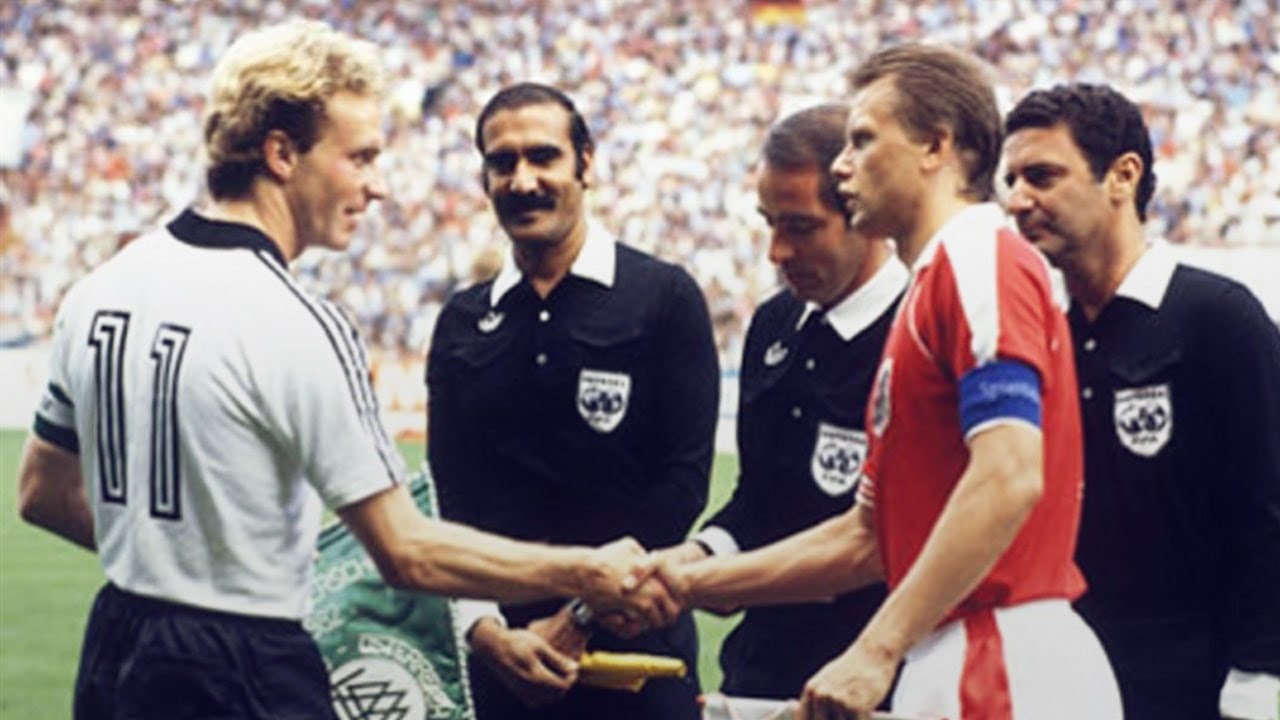
The Disgrace of Gijon 1982? The day Football died

The Disgrace of Gijon 1982 remains one of the darkest chapters in FIFA World Cup history, a moment when the tournament’s integrity was discarded in favor of survival, while the one deserving of glory was denied.
The unfortunate story took place at the 1982 edition in Spain, when West Germany entered the 1982 competition as overwhelming favorites, but after a stunning opening-game defeat to debutants Algeria, the reigning European champions were forced to confront a brutal reality.
Desperate to avoid elimination, they eventually resorted to cynical manipulation in their final Group 2 match, orchestrating a shameful non-aggression pact with their German-speaking neighbors, Austria, to ensure both European nations progressed at the absolute expense of the history-making Africans.
Disgrace of Gijon 1982 | What Really Happened
When the teams arrived in Spain for the 1982 World Cup, Group 2 looked entirely predictable on paper as it featured West Germany, who are at the time the reigning European champions and two-time World Cup winners.
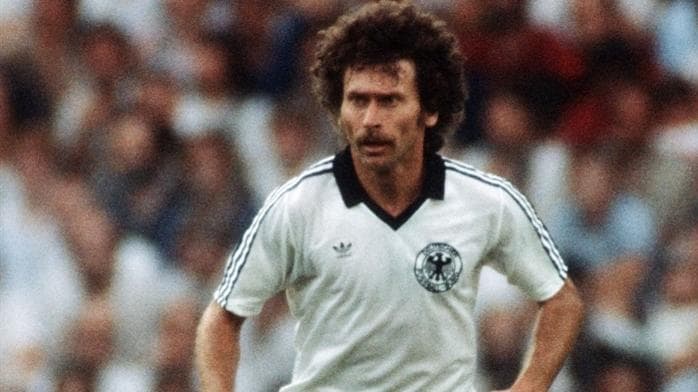
Alongside them was another strong European nation in Austrian, while South Americans, Chile, and tournament debutants Algeria of Africa completed the set of four countries.
Making their debut as the sixth Africans to do so at the FIFA World Cup, a day after Cameroon became the fifth in a goalless draw with Peru, the Algerian national team with total indifference by the European media, bordering on outright mockery.
Before the opening match in Gijón, West German manager Jupp Derwall confidently told reporters that he would jump onto the next train back to Munich if his team lost to the North Africans.
Midfielder Paul Breitner publicly joked that they would dedicate their seventh goal to their wives and the eighth to their dogs, while another teammate suggested they could easily play the match with cigars firmly clenched between their teeth.
Algeria, boasting domestic icons like Lakhdar Belloumi and Rabah Madjer, quietly listened. They were about to deliver an administrative masterclass in footballing pride, one which would kickstart the disgrace of Gijon.
The Miracle in Gijón: Algeria 2-1 West Germany
On June 16, 1982, the historic upset unfolded at the El Molinón stadium. Algeria did not merely sit back and defend; they played a brand of sharp, and beautifully fluid passing football that completely paralyzed the German giants.
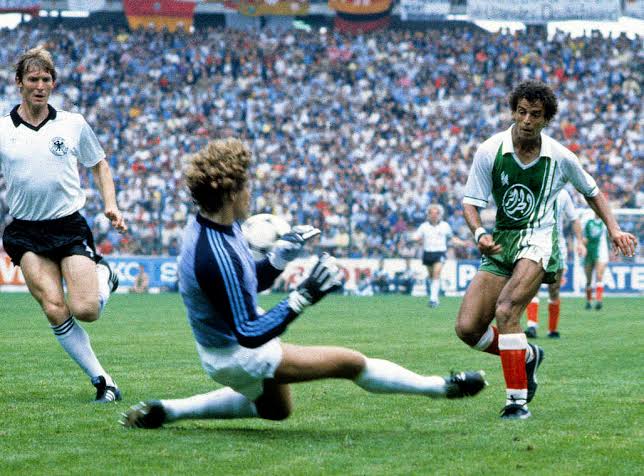
After a scoreless first half, which made them became the first African World Cup debutant to keep a clean sheet after 45 minutes, belief grew amongst the Algerian players, and just nine minutes after restart, Rabah Madjer struck to give them a shocking lead.
Though Karl-Heinz Rummenigge equalized for the Germans in the 67th minute, the African response was immediate. Less than sixty seconds later, a brilliant team move found Lakhdar Belloumi, who swept the ball home to seal a historic 2-1 victory.
It was the first time an African or Arab nation had ever defeated a European powerhouse at a World Cup, but the Desert Warriors followed this historic milestone with a 2-0 defeat to Austria and a thrilling 3-2 victory over Chile.
With two wins from three matches, the debutants had accumulated four points (under the old system of two points for a win) and a goal difference of zero. They stood on the precipice of the second round ahead of the all-European clash between Germany and Austria.
The Setup for the Disgrace of Gijón
The systemic flaw of the 1982 tournament layout was that final group games were not played simultaneously, and the Disgrace of Gijon contributed to what influenced the decision to allow all final games of a group be played at the same time.
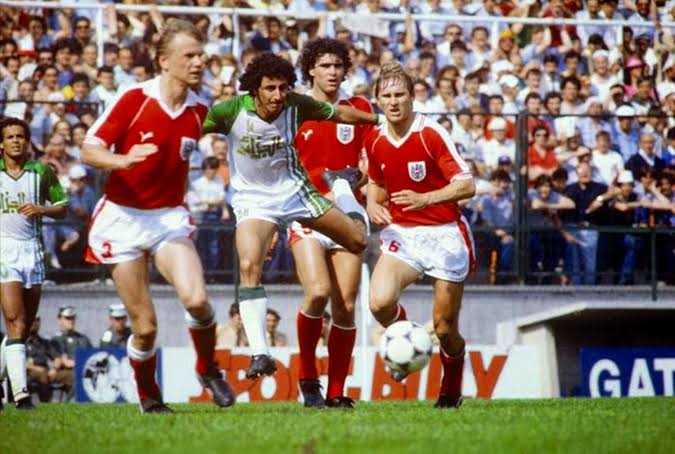
Algeria concluded their match against Chile on June 24 whereas West Germany and Austria met the very next day, knowing the precise mathematical outcome required for both European neighbors to advance together at the expense of the Africans.
A narrow West German victory by one or two goals was the exact golden ticket. It would leave West Germany, Austria, and Algeria tied on four points each, but the goal difference would split favorably to send both European nations through.
The day football died: The Disgrace of Gijon
The match started with a brief flash of genuine competitive energy. Driven by the fear of an early exit, West Germany attacked furiously, and in the 10th minute, Hamburg striker Horst Hrubesch converted a cross from the left to make it 1-0.
Then, the football died.
For the remaining 80 minutes, the match degenerated into a farce that shocked the 41,000 spectators inside El Molinón in Gijon, and millions watching on television.
Players from both sides completely stopped tackling, sprinting, or attempting to penetrate the opposing half. The ball was passed aimlessly among the back four, occasionally played all the way back to the goalkeepers without a single hint of pressure.
It was so boring and obvious that both teams combined for zero tackles, zero shots, zero passes in the opposition half for the entirety of the 80 minutes plus added time, that followed the only goal of the match.
The local Spanish fans in the crowd quickly realized they were witnessing a theatrical production, and not too soon after, deafening shouts of ‘Argelia, Argelia!’ (Algeria) and ‘Fuera, fuera!’ (Out, out) echoed through the stadium.
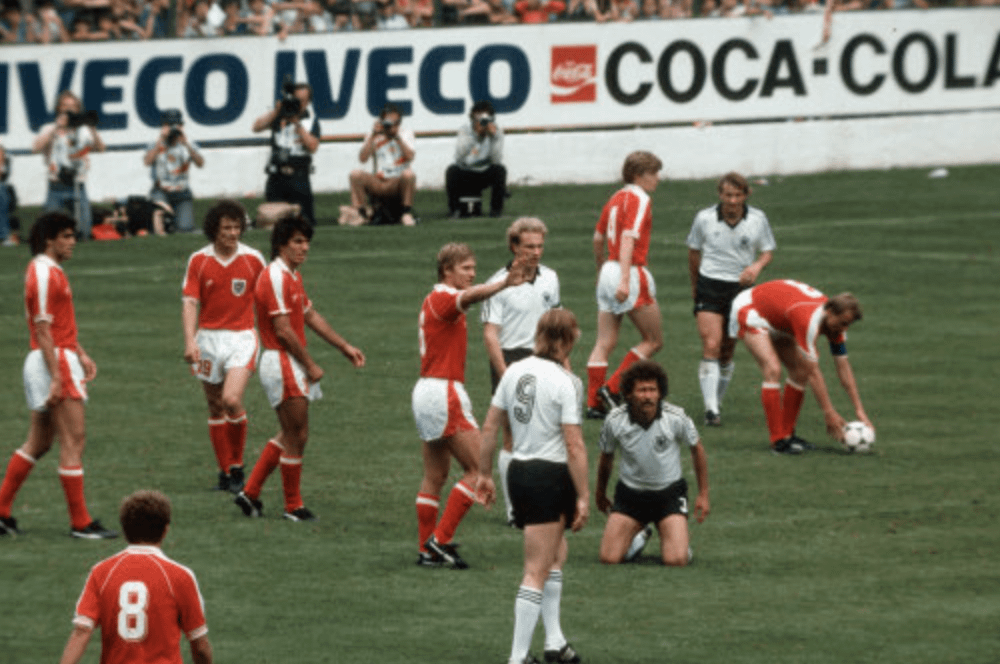
Angry Algerian supporters waved bank notes at the pitch to signify a blatant fix, while one distraught German fan publicly burned his own national flag in the stands. The commentators covering the match were equally sickened.
West German television pundit Eberhard Stanjek openly refused to commentate on the match any longer, while Austrian commentator Robert Seeger, expressed his deep disgust on live television, openly advising his viewers to turn off their sets.
When Scottish referee Bob Valentine mercifully blew the final whistle, the 1-0 result stood, and at that point, football had been thoroughly humiliated in a match that would be infamously tagged the Disgrace of Gijon.
The Consequences and a Lasting
The Consequences and a Lasting Legacy
Algeria immediately launched a formal, righteous protest to FIFA, demanding that both West Germany and Austria be disqualified for gross unsporting behavior and match manipulation.
However, because no official rules of the game were technically broken, the governing body chose to reject the appeal, allowing the final standings to stand.
“Our performances on the pitch won the hearts of the world,” Lakhdar Belloumi later reflected. “We didn’t need their validation. The world knew who truly deserved to go through.”
The disgrace of Gijon denied Algeria the chance of making history as the first African team to reach the FIFA World Cup knockout stages by progressing through the group stages, an achievement that was claimed by Morocco four years later in Mexico.
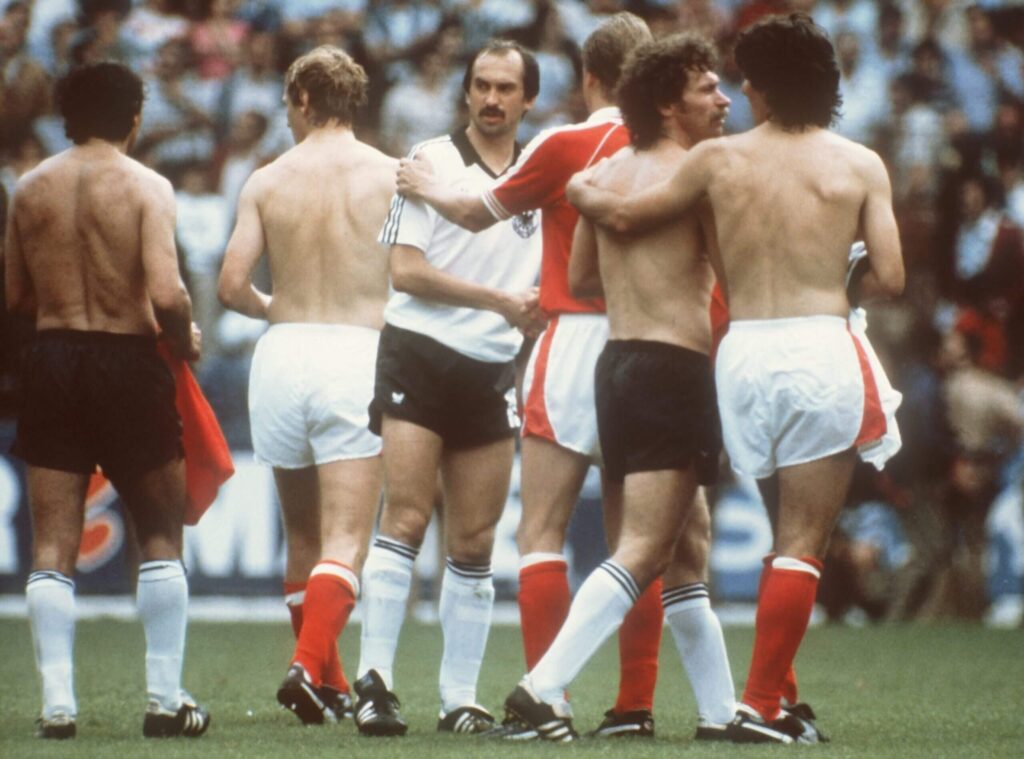
While neither West Germany nor Austria went on to win the trophy, as the Germans were comfortably beaten 3-1 by Italy in the final, the institutional fallout from the Disgrace of Gijón changed the sport forever.
To ensure that no national team could ever manipulate a tournament group stage in such a calculated manner again, FIFA completely overhauled its tournament regulations, and from the following World Cup edition in 1986, the final pair of group stage matches across all international tournaments have been played simultaneously.
Algeria’s dream was cruelly stolen by a cynical European coalition, but their brief, sparkling campaign remains the ultimate moral victory in World Cup folklore, and the Desert Warriors remains the heroes, whenever the Disgrace of Gijon is remembered.



3 Comments