Football, money and politics: Man City case puts UK Government under scrutiny and the PL under pressure

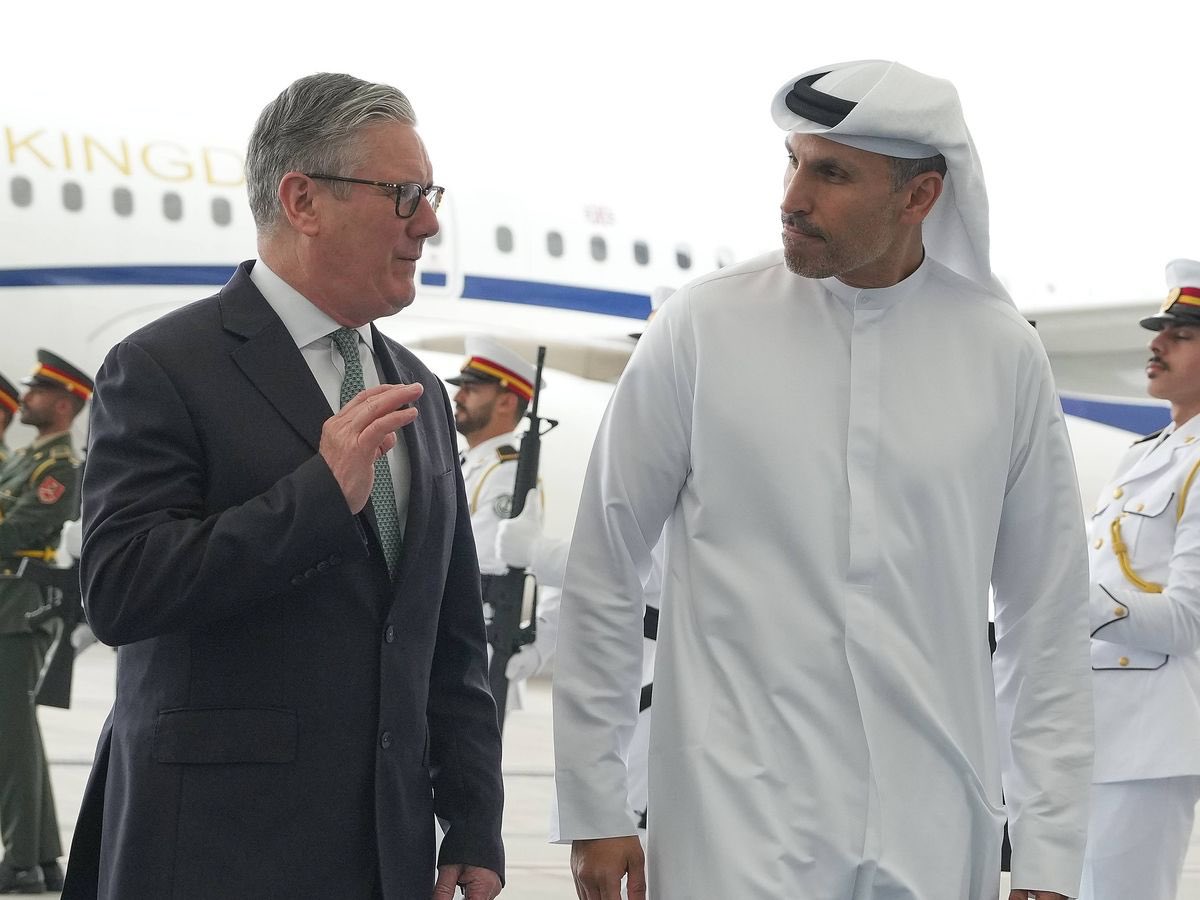
Manchester City chairman Khaldoon Al Mubarak reportedly met a senior UK minister weeks before the club was found guilty of serious financial breaches, putting an uncomfortable spotlight on the overlap between football, investment and political relationships.
Manchester City’s financial scandal has taken an increasingly uncomfortable turn after chairman Khaldoon Al Mubarak reportedly held a private meeting with a senior UK government minister just 15 days before the Premier League formally confirmed the club had been found guilty of serious financial-rule breaches.
Al Mubarak, who is also chief executive of Abu Dhabi sovereign wealth fund Mubadala Investment Company, requested a meeting with Business Secretary Jonathan Reynolds on September 14, according to the report, with discussions centred on current and future UAE investment in Britain.
The talks reportedly covered a broader UK-UAE relationship, including trade, defence, security and intelligence, rather than Manchester City’s disciplinary case itself.
That distinction is important because there is no evidence from the reported meeting that Reynolds intervened in the Premier League process, which was being handled by an independent commission.
The awkward coincidence
The timing, however, is difficult to ignore.Eleven days after the reported meeting, details of the commission’s findings emerged, before the Premier League confirmed on September 29 that City had been found guilty of all charges relating to serious financial breaches and most of the allegations concerning its cooperation with investigators.
The commission concluded that City had used “sham” commercial arrangements, submitted misstated accounts and artificially increased revenues while reducing costs during the 2009/10 to 2017/18 period.
The Premier League said the findings involved more than £900 million in financial distortion. City strongly rejects the conclusions and maintains that it has evidence proving its innocence.
Where football meets geopolitics
That is where the story becomes bigger than a football disciplinary case.
Abu Dhabi’s relationship with Britain extends far beyond the Etihad Stadium, with the UAE involved in major investment partnerships with the UK.
Al Mubarak is a central figure in that relationship through his role at Mubadala, while simultaneously serving as Manchester City’s chairman.
The club’s ownership has therefore become inseparable from questions about Abu Dhabi’s wider economic influence.
The issue has already created political discomfort, with Prime Minister Andy Burnham previously saying he would be “really concerned” if City’s Abu Dhabi owners were forced to sell because of the case.
Pressure on the Premier League
The meeting does not establish political interference, but it inevitably raises questions about perception: can the Premier League impose severe consequences on a club whose senior figures are simultaneously involved in discussions about billions of pounds of international investment?
The Premier League has maintained that its process is independent, and City has now lodged an appeal against the commission’s decision.
The appeal will be heard privately by an independent Appeal Board, meaning the dispute remains far from finished.
The controversy is therefore no longer simply about whether Manchester City broke Premier League rules. It is also about whether the Premier League can operate without being overshadowed by the enormous financial and diplomatic interests surrounding one of the world’s richest clubs.
Until the appeal is resolved, the reported government meeting will remain an uncomfortable piece of context surrounding a case that has already exposed the extraordinary intersection of football, sovereign wealth and political power.