AFCON returns to two-year cycle as CAF confirms 2027, 2028, 2031 and 2033 editions

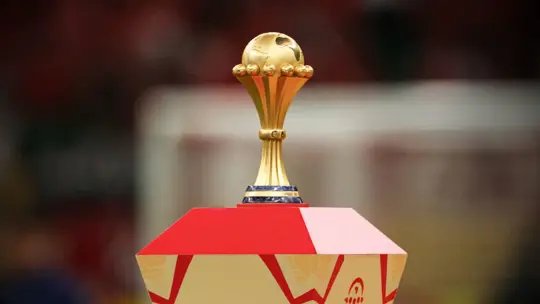
CAF has reversed its controversial decision to stage the Africa Cup of Nations every four years, restoring the traditional two-year format and confirming the schedule for its next four editions.
The Confederation of African Football (CAF) has reversed its controversial decision to move the Africa Cup of Nations (AFCON) to a four-year cycle, confirming that the continental competition will once again be staged every two years.
The decision was unanimously approved by CAF’s Executive Committee on Thursday, October 29, 2026, bringing an end to months of uncertainty surrounding the future format of Africa’s biggest football tournament.
CAF President Patrice Motsepe had announced earlier this month that the governing body would reconsider its previous decision, which was unveiled in December 2025 and was expected to take effect after the 2028 edition.
The proposed restructuring was initially linked to plans to introduce a new Africa Nations League, which was expected to become the continent’s major biennial national-team competition.
However, CAF acknowledged that the proposed Nations League would require several years to generate the financial resources needed to support African football and make its competitions more competitive and financially sustainable.
Motsepe explained that restoring the traditional format was necessary to protect the interests of CAF’s 54 member associations, as well as African footballers playing for clubs outside the continent.
The CAF president also expressed confidence in the upcoming AFCON, which will be jointly hosted by Kenya, Tanzania and Uganda in 2027.
Following that tournament, the next editions are scheduled for 2028, 2031 and 2033. There will be no competition in 2030 because of the FIFA World Cup scheduled for that year, in line with CAF’s policy of avoiding a clash with the global tournament.
AFCON has traditionally been played every two years, making it a major source of revenue, international exposure and football development for African nations.
The latest decision therefore restores the competition’s familiar schedule after less than a year under the proposed four-year arrangement.