Inside Arsenal’s summer transfer window: The failed quest to land a marquee attacker

Arsenal headed into the 2026 summer transfer window with an obvious objective of adding another elite attacking player capable of giving Mikel Arteta’s side greater unpredictability, pace and cutting edge in the final third.
Instead, the Premier League champions closed the window having strengthened elsewhere while failing to land the marquee forward they had spent much of the summer pursuing, with only Greek winger Christos Tzolis the only incoming in that department.
The Gunners failed to fast track their deals, especially with Morgan Rogers, after identifying him as an early target, and Elliot Anderson’s move to Manchester City changed the entire summer market.
This influenced the inflated prices of Morgan Rogers and Bradley Barcola, two players who were considered by Mikel Arteta during a summer window that ended with just Christos Tzolis and several attacking departures.
The disappointment is compounded by the departures of several attacking players, raising questions about whether Arsenal have done enough to improve a department that has occasionally lacked fluency and explosiveness.
Reports following the close of the window suggest the Gunners explored several high-profile options, but one after another slipped beyond their reach.
Morgan Rogers: Arsenal’s First Major Setback
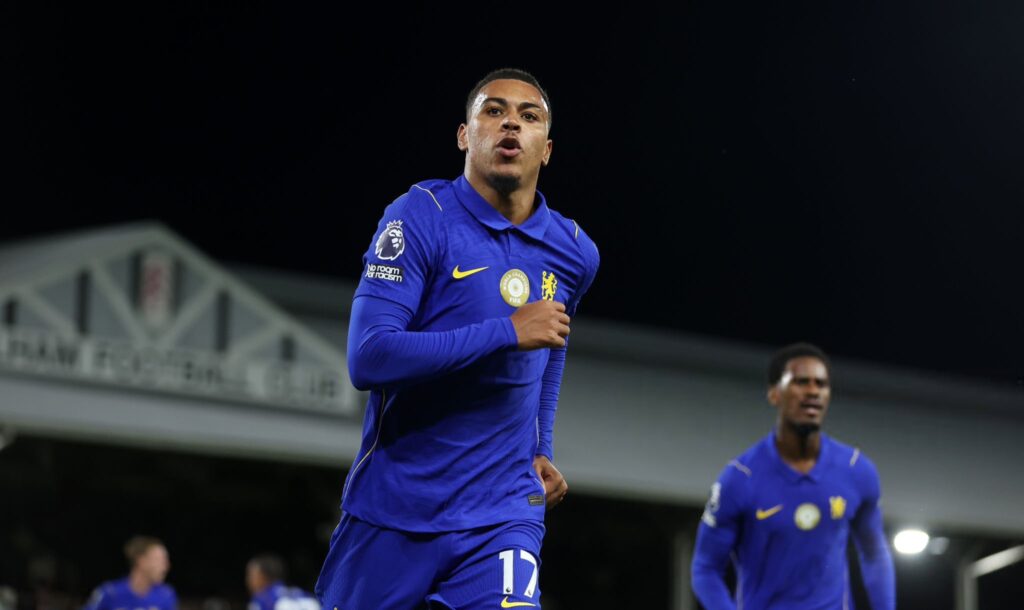
Morgan Rogers emerged as one of Arsenal’s most important attacking targets, but their pursuit ultimately ended in frustration when Chelsea moved decisively to sign the England international from Aston Villa for around £117 million.
Arsenal had reportedly established a valuation for Rogers and were unwilling to exceed it when Chelsea made their move. The decision demonstrated the club’s determination not to abandon its financial discipline, but it also meant losing a player who had reportedly been among their preferred options.
Rogers’ versatility made him particularly attractive, given his ability to operate as a No. 10, winger or forward. The former Villa man was also open to the idea of joining, but Arsenal, who had valued him around £80 million, were unwilling to match Chelsea’s bid.
Vinicius Junior: The Dream That Never Happened
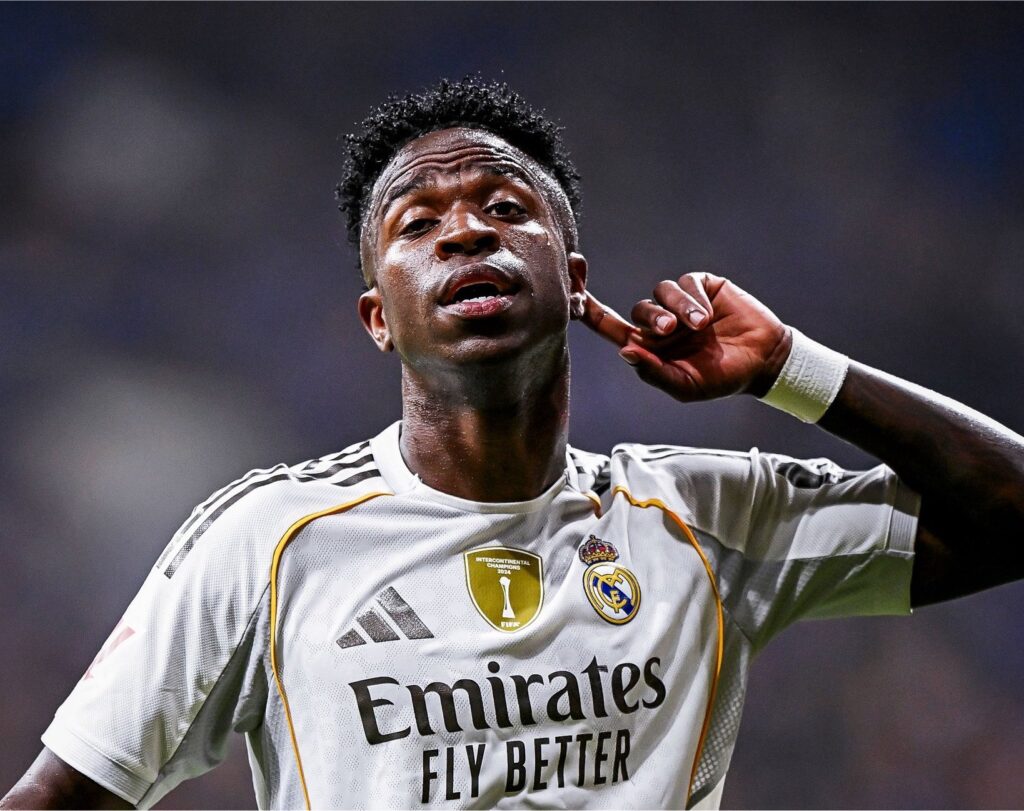
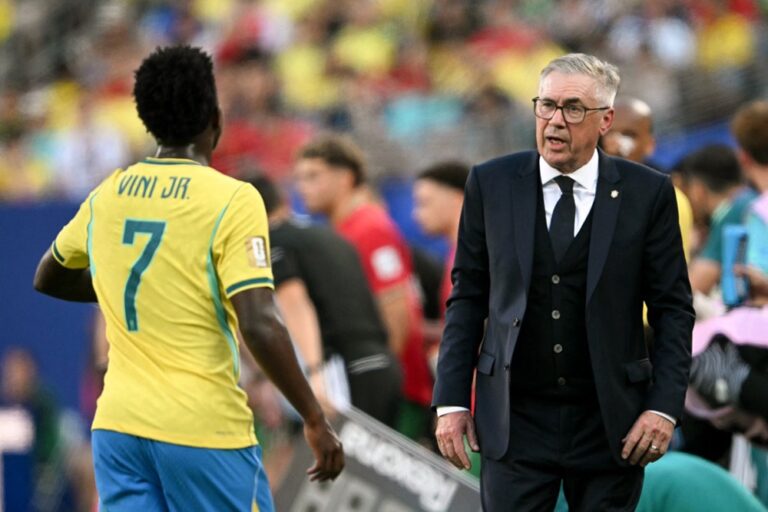
If Rogers represented a realistic marquee target, Vinicius Junior was the spectacular option. Arsenal explored the possibility of bringing the Real Madrid superstar to north London, but the move was always going to require an extraordinary financial commitment.
The Brazilian eventually committed his future to Real Madrid with a new contract running until the summer of 2032, ending Arsenal’s hopes of securing one of the most devastating left-sided attackers in world football.
Losing Vinicius was not simply about missing a famous name; it removed the kind of player who could have transformed Arsenal’s attacking profile through pace, dribbling, one-on-one ability, but more importantly, goals and assists.
Bradley Barcola: Another Door Closes
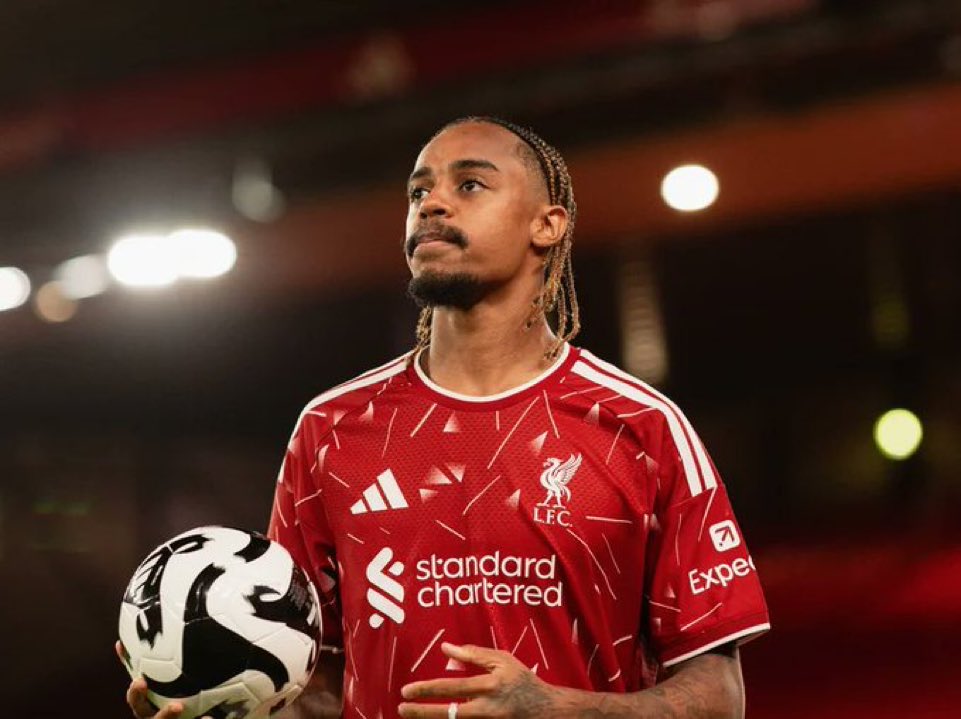
Arsenal also looked towards Paris Saint-Germain winger Bradley Barcola as another potential solution after it was settle that Vinicius Jr will sign a Real Madrid extension.
However, PSG’s reported £145 million valuation represented another major obstacle, while Liverpool were also interested and reportedly held appeal for the player.
Once again, Arsenal’s willingness to walk away rather than dramatically exceed their valuation worked against them. Barcola therefore became another example of the increasingly narrow path Arsenal faced in their search for elite attacking talent.
Julian Alvarez: An Alternative Arsenal Could Not Secure
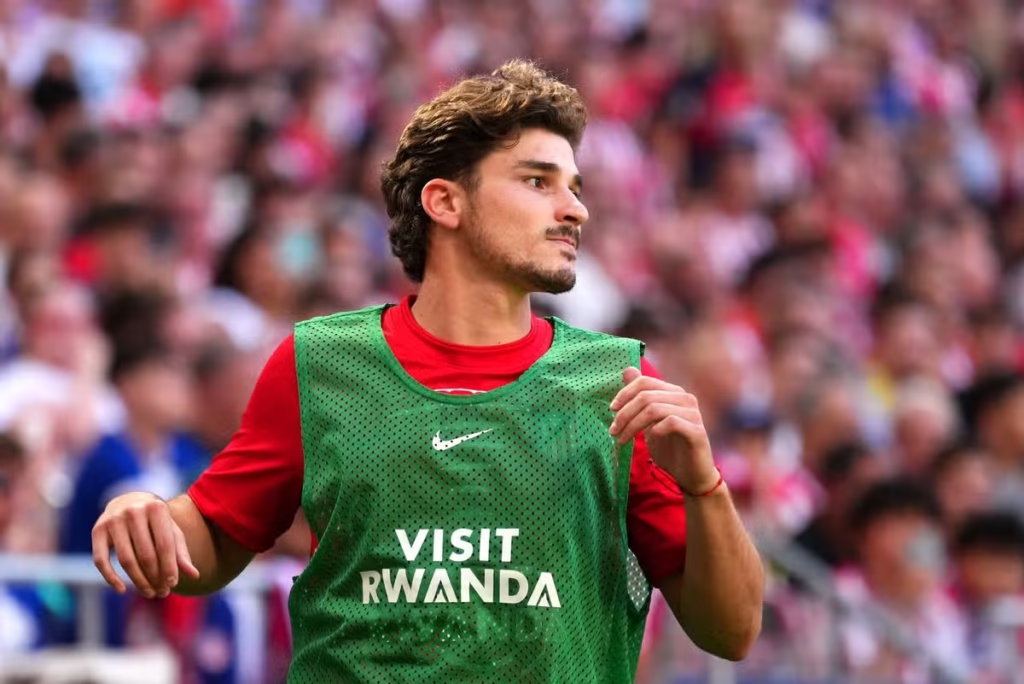
Julian Alvarez was another prominent name linked with Arsenal during the window as the club assessed alternatives for its attack, but the Atlético Madrid man was uninterested in a return to England, and held on to the hope of joining Barcelona.
The Argentina international offered a different profile from Vinicius and Morgan Rogers, providing the ability to operate centrally while also contributing across the frontline.
Yet Arsenal could not turn their interest into a completed deal, leaving them without another major attacking statement. The failure to land Alvarez became more significant as other targets disappeared from the market.
The Problem Arsenal Left Behind
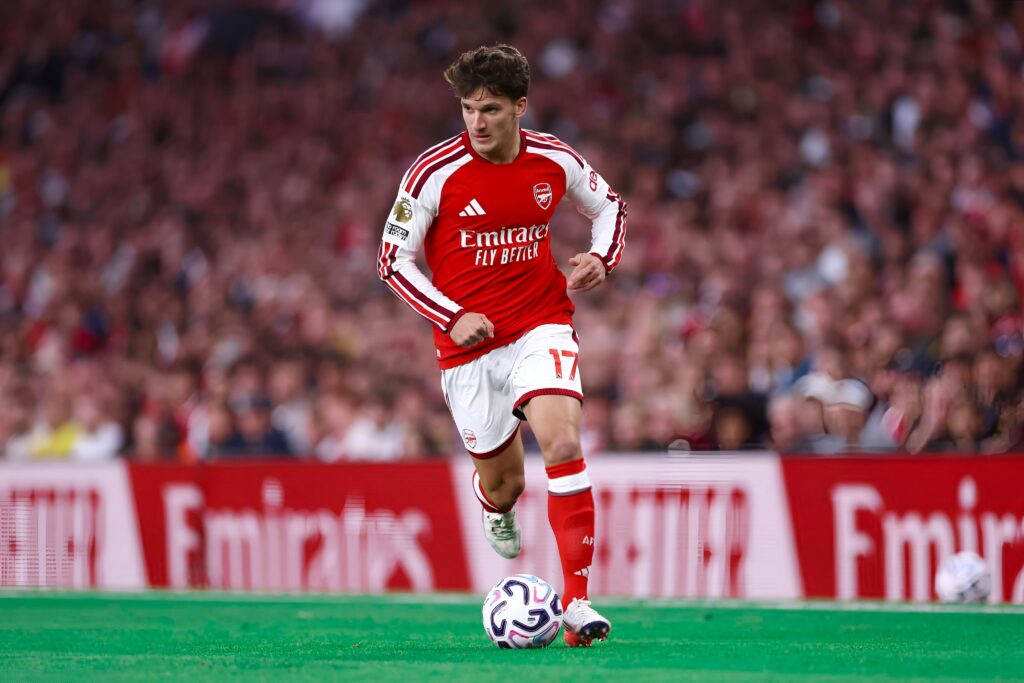
The issue is not simply that Arsenal failed to sign one superstar. Their attack also lost several players during the summer. Gabriel Martinelli, Leandro Trossard, Gabriel Jesus, Reiss Nelson and Ethan Nwaneri all departed or moved away from the first-team picture, while Christos Tzolis represented the principal attacking addition.
That imbalance has prompted criticism because the Premier League champions appear to have reduced their attacking depth while failing to replace the departing players with an established elite forward.
A Strong Squad With One Major Question
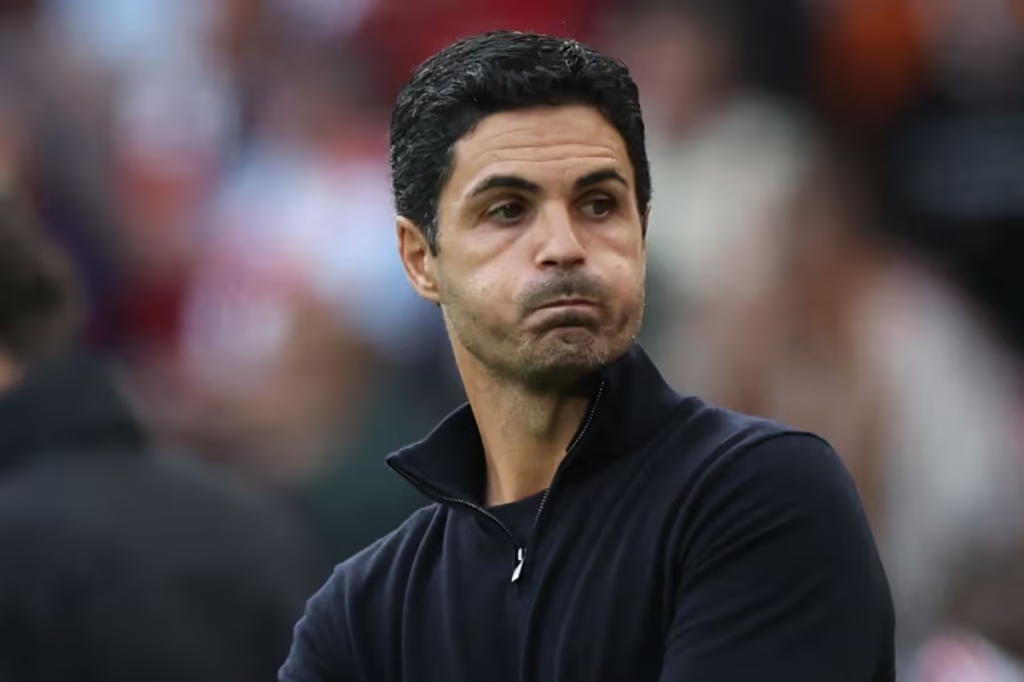
Arsenal did strengthen significantly in other areas, including the additions of Bruno Guimarães, Ezri Konsa and Piero Hincapié, while Tzolis was brought in to bolster the attack.
Nevertheless, the failure to secure Rogers, Vinicius, Barcola or Alvarez leaves the champions facing a very different question from the one they hoped to answer this summer, which is whether their existing forwards can provide enough goals and creativity to sustain a title challenge?
Arsenal’s recruitment strategy was built around adding genuine top-level quality rather than spending simply for the sake of it, but that principle ultimately contributed to a frustrating conclusion.
Recent reports also revealed late inquiries about Cody Gakpo and Iliman Ndiaye, the latter of whom moved to Manchester City on deadline day, while they also refused to meet Lyon’s €40 million valuation of Malick Fofana.
With the window now closed, Arteta must make the players already at his disposal work, while Arsenal may have to wait until January, or next summer, for the marquee attacking addition they failed to secure.
The good news is that a fully fit campaign for their existing attackers will significantly improve the team, because even on their way to winning the Premier League last season, several big-name attackers were missing in action due to injuries.