
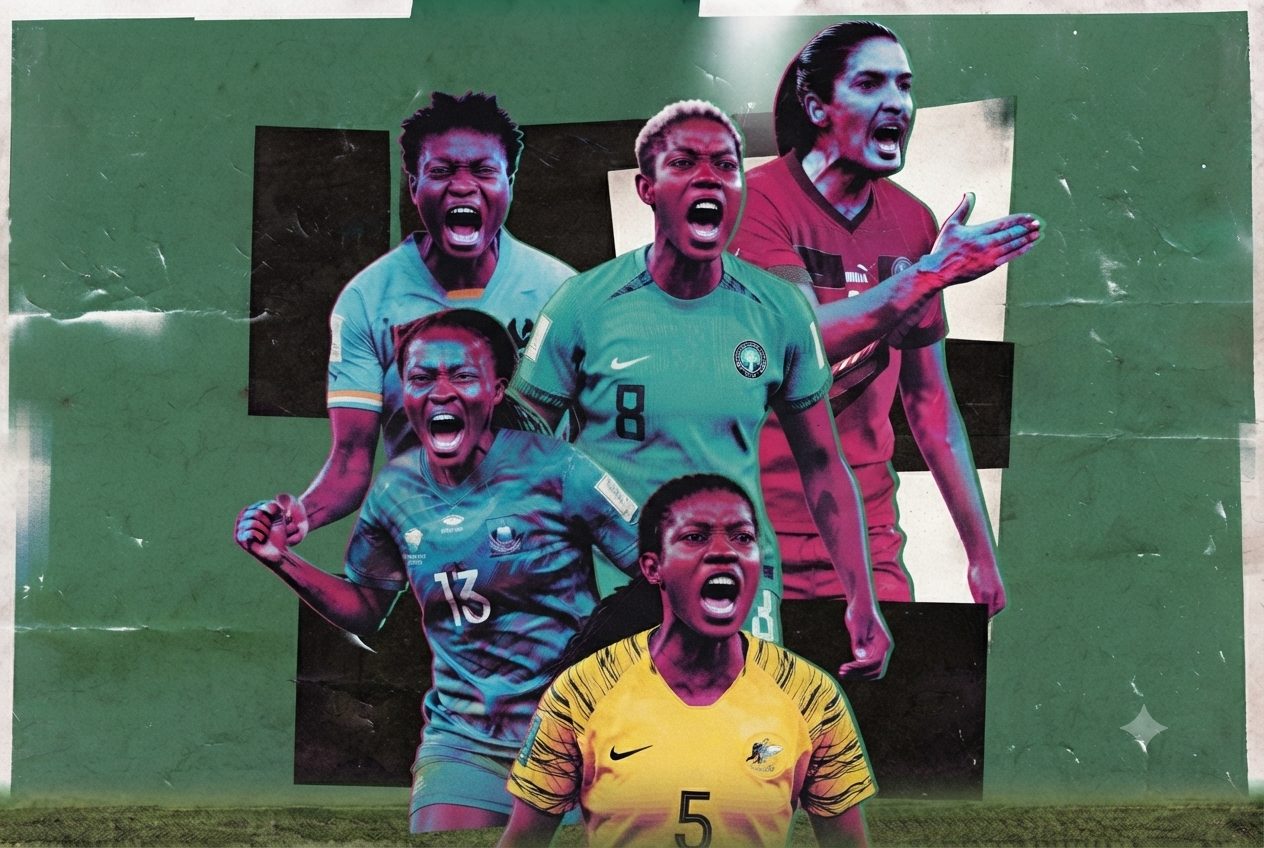
WAFCON 2026 | The battle to break Nigeria’s stranglehold continues

As WAFCON 2026 kicks off in Morocco with a record 16 teams, the numbers tell a familiar story of Nigerian dominance that the rest of the continent is once again trying to break.
Every two years, African women’s football gathers to crown a queen, and for close to three decades, one team has answered to that title more than every other nation combined.
The Super Falcons of Nigeria arrive in Morocco as ten-time champions, a defending champion with the kind of history that turns continental tournaments into coronations rather than contests.
But this year’s edition carries a different narrative. For the first time, 16 nations will slug it out for the crown, the most number in a single edition, and with it comes expanded ambition and a louder chorus of teams convinced this could finally be the year the walls come down.
Morocco, hosting for a third straight time, has staked its own claim too, arriving with the weight of back-to-back final defeats and a public desperate to see the Atlas Lionesses go one step further.
South Africa, the only side outside Nigeria to have lifted the trophy in the last two decades among those playing in 2026, remains the most consistent threat, while a swelling pack of newcomers hopes to leave a mark on a stage that keeps growing.
It promises to be a month where individual milestones matter as much as team glory, where a handful of Super Falcons stars chase records that would separate them from Nigerian legends of old, and where the continent watches to see whether history repeats itself or finally bends.
WAFCON 2026 | The battle to break Nigeria’s stranglehold
A first-of-its-kind expansion
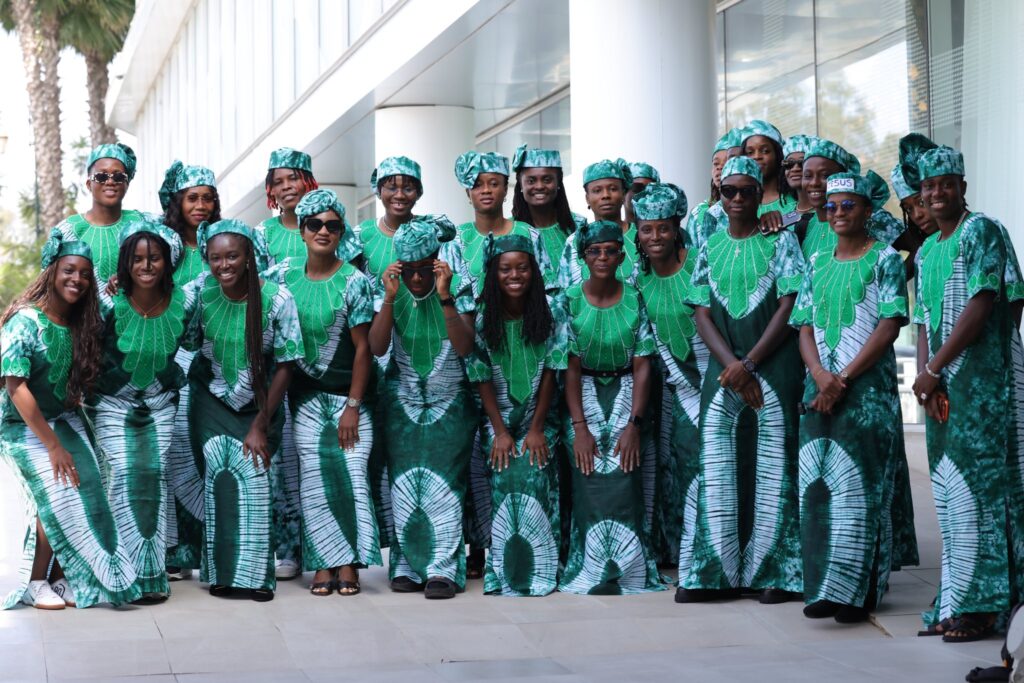
This, 2026, is set to become the first WAFCON edition to feature up to 16 teams, following an expansion from the 12-team format used in the previous two editions.
The tournament’s growth has been gradual but deliberately planned by CAF. From 1998 to 2018, it ran with just eight teams, a number that jumped to 12 in 2022, and now, four years later, the original count has been doubled.
WAFCON 2026: No Room for Best Losers
While the tournament has expanded, the knockout structure remains the same. The quarter-finals still mark the beginning of the knockout rounds, but one important change removes the safety net that existed in previous editions.
Unlike the 12-team format, there will be no best third-placed teams progressing. Only the top two teams from each of the four groups will advance, making every group-stage match even more significant.
A record-breaking 34-match tournament
Expansion naturally brings more football. WAFCON 2026 will feature 34 matches, the highest number ever played in a single edition of the tournament.
Although there should be 32 games given the route to the final and the bronze medal match, since the WAFCON doubles as a qualifier for the 2027 FIFA Women’s World Cup in Brazil, the tournament features an extra layer.
Beyond the four semi-finalists who automatically qualify for the World Cup, the four losing quarter-finalists enter classification playoffs to determine Africa’s representatives for the inter-confederation qualifiers, adding two additional placement matches.
Nigeria Dominates a Small Circle of Winners
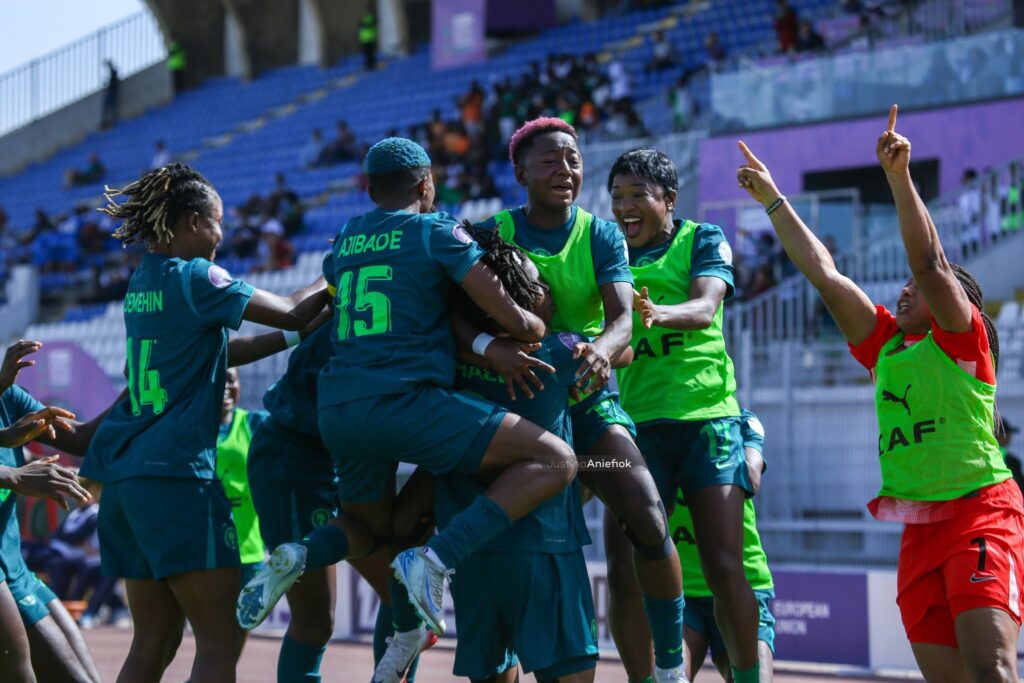
Despite the growing number of participants, the list of countries that have actually tasted WAFCON glory remains remarkably short. Just nine nations have won a medal of any colour since the tournament began, while there have been just three different champions.
DR Congo took bronze in 1998, and Ivory Coast matched that finish in 2014. Ghana’s best return sits at silver, achieved three times across the competition’s first five editions, while Cameroon have finished runners-up on three occasions without ever going one better.
Zambia have one bronze to their name, and Morocco have been beaten finalists in the last two editions. Equatorial Guinea won it twice, in 2008 and 2012, and South Africa claimed their maiden title in 2022. Nigeria, unsurprisingly, sit above them all with ten titles.
Super Falcons’s Unmatched Consistency
No statistic better captures Nigeria’s dominance than their consistency at the Women’s African Cup of Nations. The Super Falcons have reached the semi-finals in all 13 editions of the tournament played so far, only failing to make the final on three of those occasions.
Of the ten finals they’ve contested, they’ve won every single one, a perfect record that has come to define the Super Falcons’ reputation on the continent, making them the most successful team in international football history.
With Equatorial Guinea failing to qualify this time around, Banyana Banyana of South Africa remain the only other team among the 16 nations in Morocco with a winner’s medal to their name, and even that is a solitary triumph from 2022.
Put simply, Nigeria have won ten of the eleven titles ever contested among the countries lining up at this tournament, a statistic that says everything about the gap the rest of the continent is trying to close.
The 28 Nations in WAFCON History
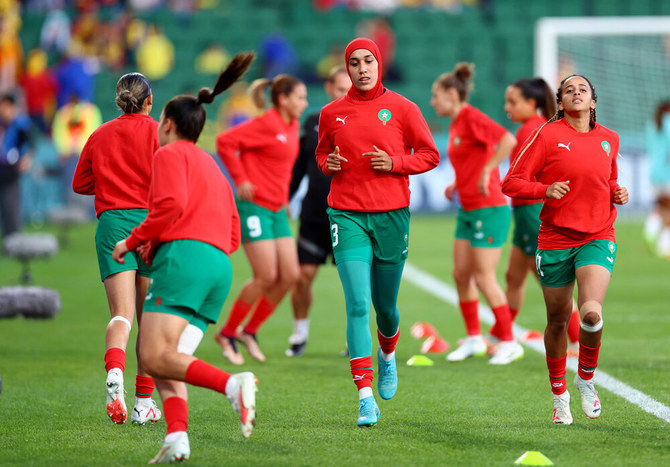
Since the inaugural edition in 1998, 26 different countries have appeared at WAFCON. Cape Verde and Malawi are set to mark their tournament debut in 2026, taking the total of entrants in history to 28.
Nigeria, South Africa, Ghana, Cameroon, Morocco, Algeria, Tunisia, Egypt, DR Congo, Republic of Congo, Equatorial Guinea, Ivory Coast, Zambia, Namibia, Botswana, Senegal, Mali, Burkina Faso, Togo, Ethiopia, Tanzania, Kenya, Burundi, Rwanda, Uganda, and Zimbabwe complete the list.
Biggest Threats to Nigeria’s Defence
Atlas Lionesses of Morocco
Morocco head into another tournament carrying enormous expectations after finishing runners-up in each of the last two editions. The Atlas Lionesses became the first Arab women’s team to reach both the semi-finals and the final of a major international tournament.
In the most recent final, they surrendered a two-goal lead before losing to Nigeria. Another appearance would strengthen hopes of becoming both the first UNAF nation and the first Arab women’s team to win a major tournament.
Banyana Banyana of South Africa
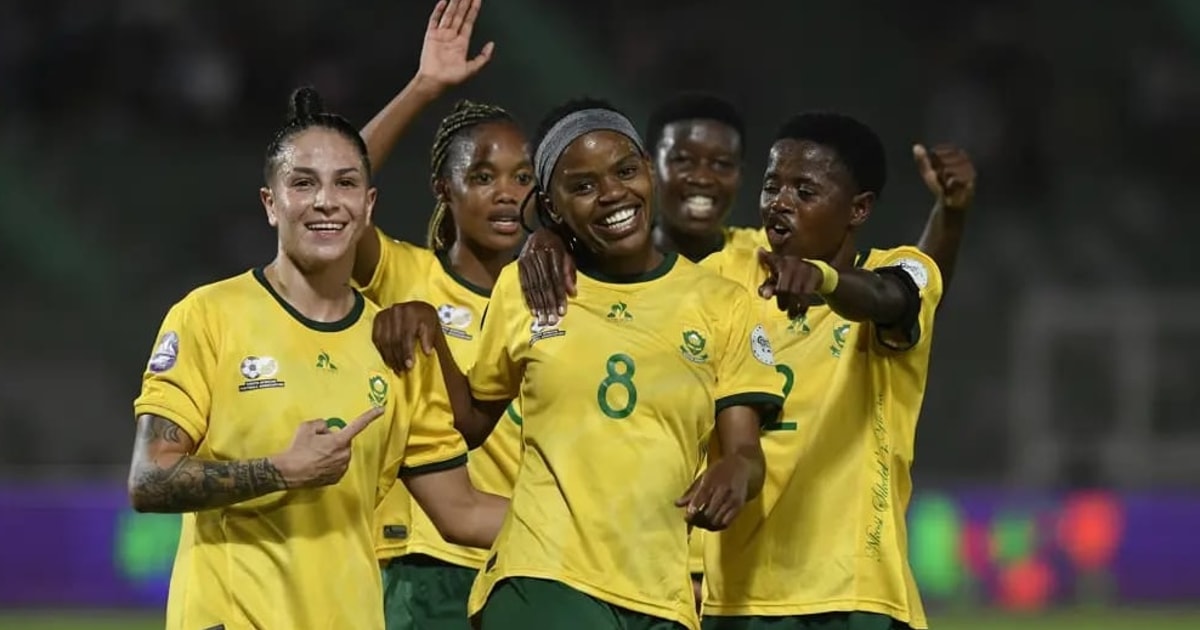
South Africa have reached at least the semi-finals in each of the last nine editions, winning the title in 2022 while collecting three silver and two bronze medals during that period. Their experience and tactical discipline make them genuine contenders once again.
Banyana Banyana remain Nigeria’s most consistent rivals. Even though they narrowly lost out to the record winners in the semi-finals in 2024, they did beat them at the same stage two years earlier en route to winning their first-ever title.
Mind-blowing WAFCON Statistics
Nigeria’s first WAFCON triumph in 1998 came with a staggering 28-0 aggregate scoreline across five matches, a title won without conceding a single goal.
That defensive record actually stretched further as they went on to win each of their first ten knockout matches in the competition’s history by a combined aggregate of 37-0, a run that only ended with a 1-0 semi-final defeat to Equatorial Guinea in 2008.
Only two countries, Nigeria and South Africa, have featured in every single edition of the tournament since its inception in 1998. Nigeria’s goal-scoring record dwarfs everyone else’s too, with 237 goals in tournament history, 126 more than South Africa’s 111 in second place. Their goal difference of +202 is similarly untouchable, sitting 178 clear of South Africa’s +24.
Hosting hasn’t always guaranteed success, though. Only three times has a host nation failed to finish on the podium: South Africa in 2004, Namibia in 2014, and Ghana in 2018. South Africa, meanwhile, still holds the record for the most wins recorded in a single edition, having gone six for six on their way to the 2022 title.
Records That Could Fall in 2026
Nigeria coach Justine Madugu is aiming to become only the second coach to successfully defend the WAFCON title and the first since Ismaila Mabo, who guided Nigeria to consecutive triumphs in 1998 and 2000.
Veterans Osinachi Ohale and Francisca Ordega could become the most decorated players in WAFCON history with a sixth winners’ medal, moving ahead of Nigerian legends Florence Ajayi and Perpetua Nkwocha. Asisat Oshoala could also join that elite group with a fifth championship.
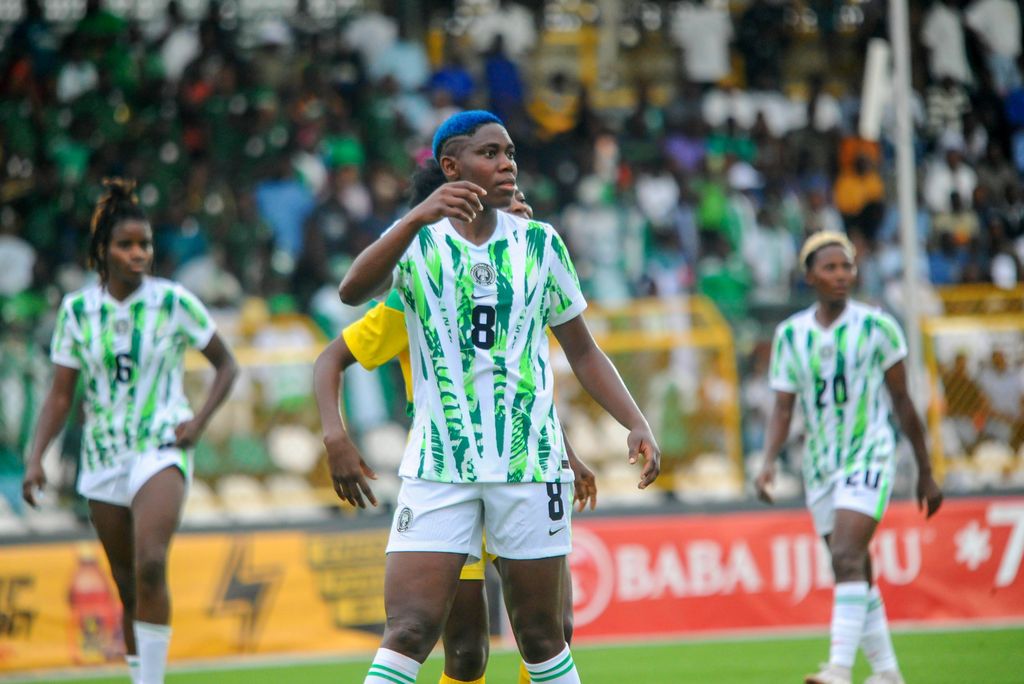
Oshoala has another landmark within reach. She begins the tournament fifth on the all-time scoring chart with 10 goals and needs at least two more to move ahead of Mercy Akide-Udoh and Desire Oparanozie, who each have 11. The record still belongs to Perpetua Nkwocha (34 goals), followed by Equatorial Guinea’s Genoveva Añonma (14).
Whether those records stand or fall, WAFCON 2026 promises to add another memorable chapter to a competition that continues to grow in quality, popularity and significance.
The rest of Africa is improving, but until someone consistently dethrones the Super Falcons, the road to continental glory in women’s football will continue to pass through Nigeria.





One Comment