
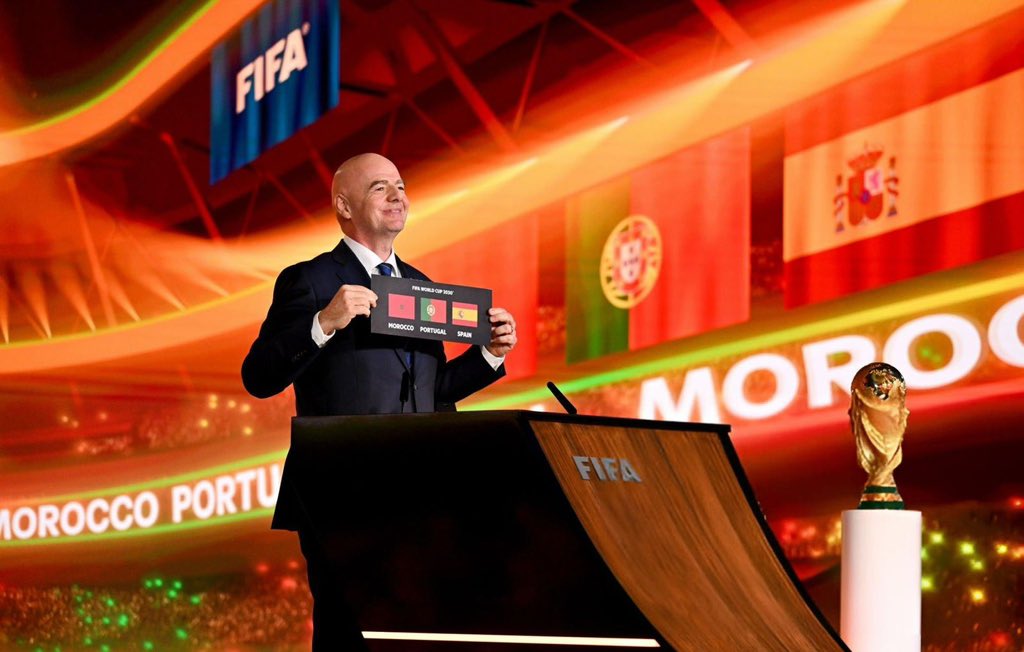
2030 World Cup: Morocco moves to ease financial burden on African Football

Morocco’s proposed 2027 Finance Bill could grant CAF and eligible national football federations tax and customs exemptions linked to the 2030 FIFA World Cup, although the measures still require parliamentary approval.
Morocco is proposing a series of tax and customs exemptions that could ease the financial burden on the Confederation of African Football (CAF) and national football federations as preparations intensify for the 2030 FIFA World Cup.
The proposed measures form part of Morocco’s 2027 Finance Bill, which outlines special financial arrangements for organisations involved in hosting and delivering the global tournament, which they will co-host with Spain and Portugal.
According to information shared by Micky Junior, the proposed framework could allow eligible football bodies to import certain equipment and goods without paying applicable customs duties, alongside other tax exemptions connected to the tournament.
The initiative is expected to reduce some of the costs associated with organising the competition, potentially freeing up resources for logistics, technical preparations and other football-related activities.
The proposed arrangements extend beyond FIFA and its immediate organising structures. Reports on the draft legislation indicate that continental confederations and national football associations could also qualify for certain benefits, subject to the conditions outlined in the bill.
For African football, the proposal could provide additional financial flexibility for CAF and eligible member associations involved in the tournament.
However, the exemptions would not automatically apply to every expense or import, as eligibility would depend on the final legislation and the specific activities covered.
Morocco’s initiative comes as the North African nation continues preparations for the expanded responsibilities that come with hosting one of the world’s biggest sporting events.
The 2030 edition will also mark the World Cup’s centenary, with matches planned across Morocco, Spain, Portugal and South America.
Despite the potential benefits, the proposed tax and customs arrangements have not yet become law. The Finance Bill must pass through the Moroccan Parliament before the measures can be implemented.
If approved, the framework could offer eligible football organisations greater financial flexibility while supporting Morocco’s preparations for the historic tournament.