NFF Crisis: President Tinubu orders total reform after Ibrahim Gusau’s resignation

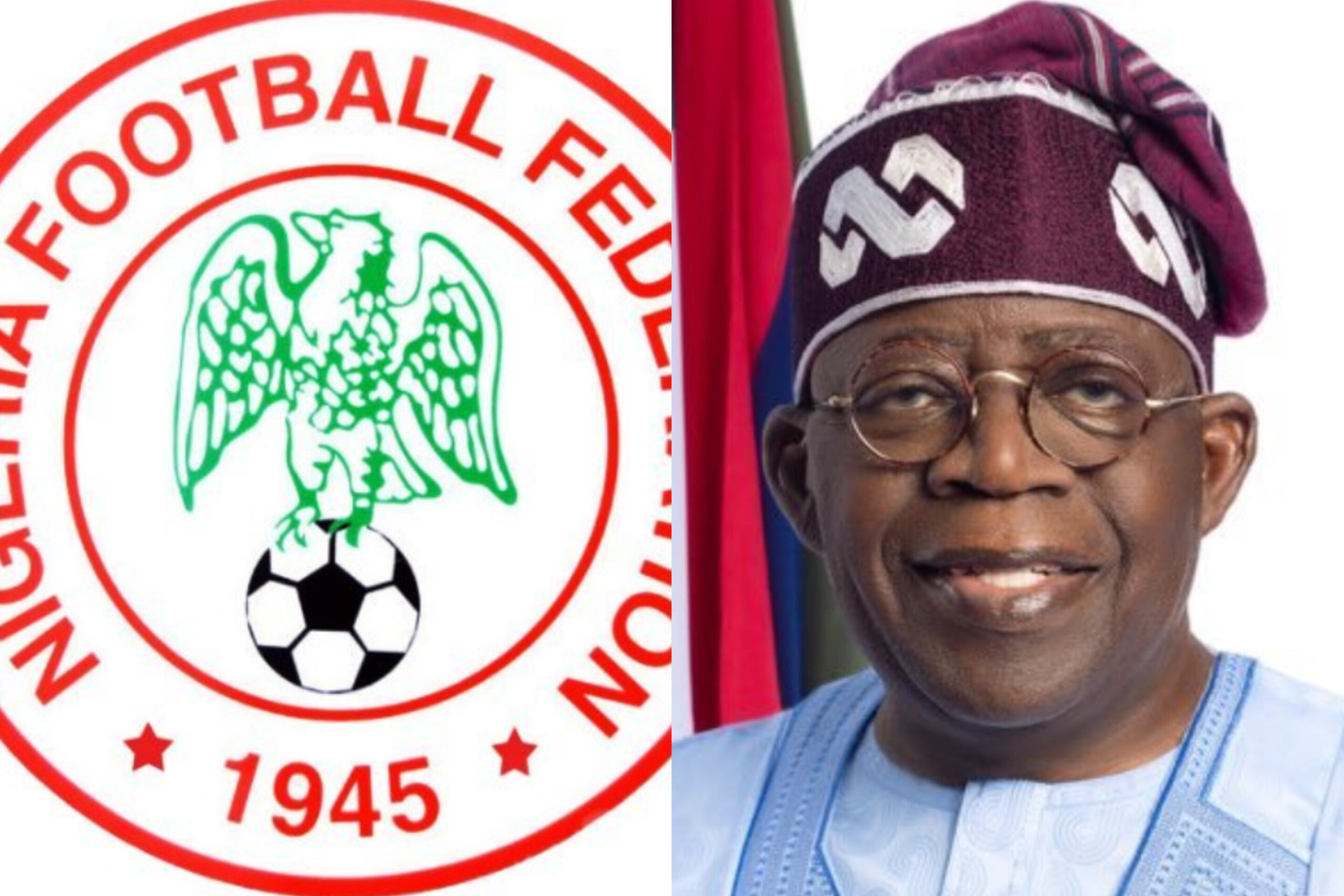
President Bola Tinubu has ordered a broad restructuring of Nigerian football after Ibrahim Gusau and the NFF leadership resigned amid mounting concerns over governance and the country’s recent international failures.
President Bola Tinubu has ordered a comprehensive reform of Nigerian football following the resignation of Nigeria Football Federation president Ibrahim Gusau, General Secretary Mohammed Sanusi and members of the federation’s executive leadership, according to Premium Times.
The intervention comes at a critical moment for the sport, with Nigeria’s senior men’s and women’s teams suffering major qualification setbacks.
The Super Eagles missed the 2026 FIFA World Cup, while the Super Falcons failed to qualify for the 2027 Women’s World Cup for the first time in the tournament’s history.
Tinubu said the reform must address weaknesses in governance, administration, stakeholder representation, development pathways, domestic competitions and accountability, while the National Sports Commission works with football authorities and stakeholders to maintain continuity.
Leadership Crisis Opens New Chapter
Gusau’s resignation came 34 days before the scheduled end of his four-year tenure and was followed by the departure of other senior NFF officials.
The former president said his decision was taken after consultations and was intended to create room for an orderly reform process.
The leadership vacuum now leaves Nigerian football facing questions over who will oversee the federation during the transition and how its electoral process will proceed.
The NFF had been scheduled to hold its elective congress on September 27 in Lafia, although the status of that process has become uncertain amid the wider restructuring effort.
What the Reform Could Change
Tinubu’s directive places the emphasis beyond simply replacing officials, pointing instead towards a broader review of how Nigerian football is administered and developed.
The government has identified governance, accountability, domestic competitions and pathways for developing players and other football stakeholders as key areas requiring attention.
The reform process is also expected to involve consultation with FIFA and CAF to ensure Nigeria remains compliant with international football regulations.
For a country with enormous football talent but recurring administrative and developmental problems, the coming months could determine whether the latest crisis produces another temporary leadership change or a deeper restructuring of the system.