Egypt’s WAFCON 7-star shirt sparks familiar controversy

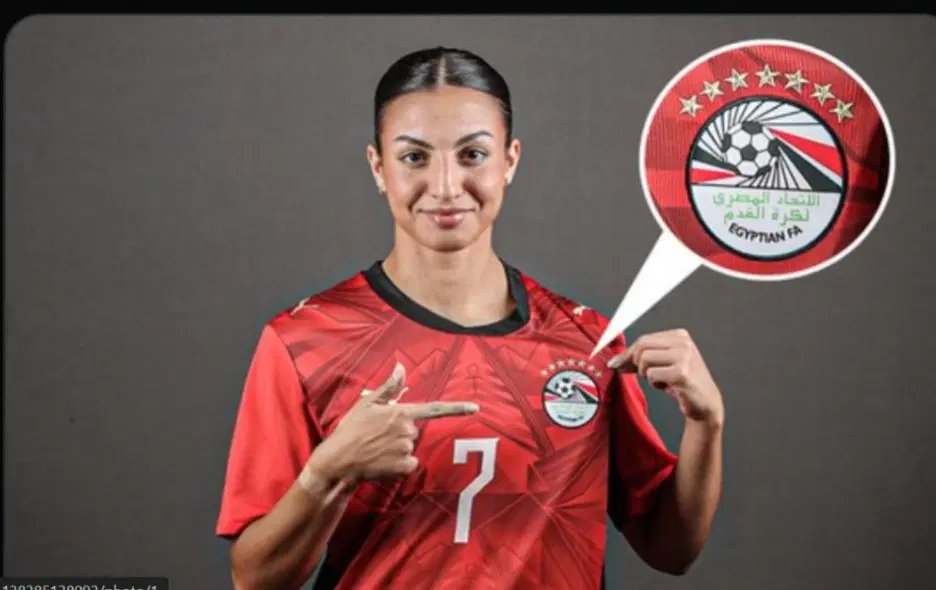
Egypt’s decision to display seven stars on the women’s national team’s shirt has reignited debate over whether men’s achievements should overshadow the women’s own record.
Egypt’s decision to have the women’s national team wear seven stars on their jerseys at the 2026 Women’s Africa Cup of Nations has attracted criticism, with many questioning whether the badge reflects the team’s own achievements or those of the men’s national side.
Before this tournament, Egypt’s women had featured in only two WAFCON editions, playing six matches, recording one victory and five defeats, scoring just three goals while conceding 21.
Those numbers paint the picture of a team still trying to establish itself on the continental stage, making the inclusion of seven stars appear disconnected from its competitive history.
While the seven stars represent Egypt men’s record seven Africa Cup of Nations titles, critics argue that international football has increasingly recognised the importance of each team building and celebrating its own identity rather than borrowing success from another.
The controversy also revives memories of Egypt’s attempt to place the same seven stars on the men’s national team jersey for the 2026 FIFA World Cup in North America.
FIFA did not permit the design because its equipment regulations reserve stars on national team shirts to represent FIFA World Cup triumphs, not continental championships, forcing Egypt to abandon the idea.
Although tournament-specific kits may sometimes feature commemorative elements outside FIFA competitions, the principle remains that stars traditionally signify titles won by the team wearing them.
For many observers, the issue is not whether Egypt’s men’s achievements deserve recognition, because they unquestionably do, but whether those accomplishments should define the image of a women’s side still writing its own history.
The women’s game has grown across Africa because teams have earned recognition through their own performances, and many believe Egypt’s women deserve the opportunity to build symbols that reflect their own journey rather than inherit honours they did not win.