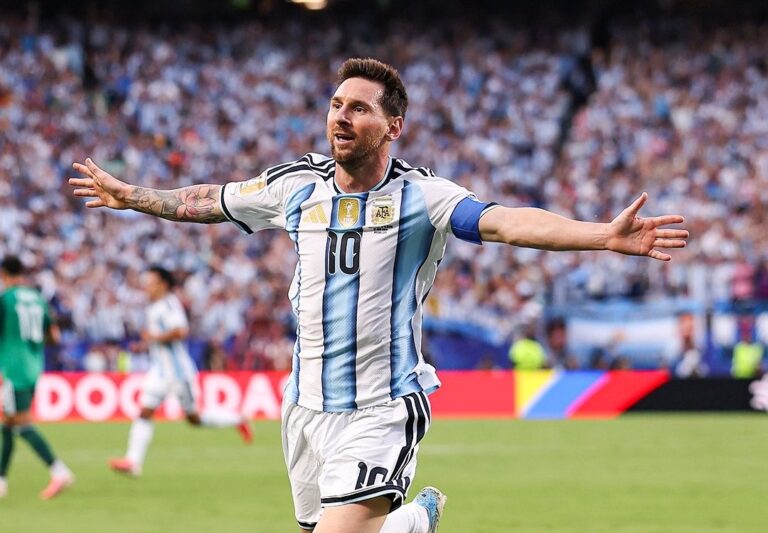
Lionel Messi retires for Argentina after 21 years, 125 goals, and a World Cup

Lionel Messi has ended his extraordinary 21-year Argentina career at 39, leaving international football as his country’s record scorer and appearance holder after finally achieving the World Cup dream.
Lionel Messi has brought the curtain down on his Argentina career at the age of 39, ending one of the most remarkable individual stories in international football after more than two decades at the highest level.
The decision follows Argentina’s 1-0 defeat to Spain in the 2026 World Cup final, which proved to be the final international appearance of a player who transformed his country’s fortunes after years of disappointment.
Messi finished with 207 appearances, 125 goals, and 68 assists for Argentina, figures that place him comfortably at the summit of the nation’s records.
From Nearly Man to World Champion
Lionel Messi’s relationship with Argentina was never straightforward. His early years were overshadowed by comparisons with Diego Maradona, while successive defeats in major finals left him questioning whether international success would ever arrive.
He lost the 2014 World Cup final to Germany and suffered further heartbreak in consecutive Copa America finals before briefly retiring from international football in 2016.
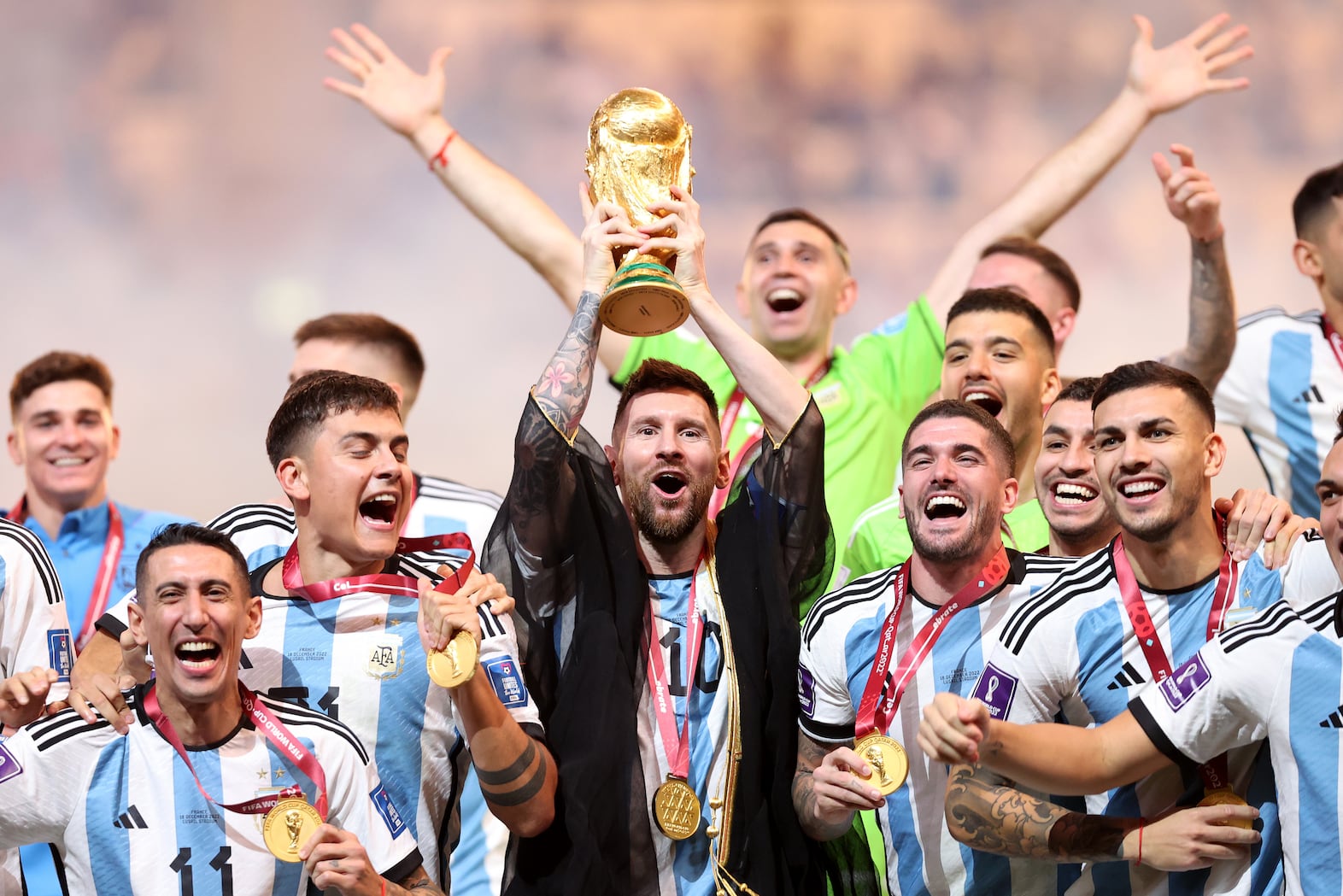
His return, however, changed the trajectory of both his career and Argentina’s modern history. Messi eventually ended the country’s long wait for a major trophy by leading them to Copa America glory in 2021 before adding the Finalissima and, most importantly, the 2022 World Cup in Qatar.
A Legacy That Goes Beyond Numbers
The statistics only tell part of the story. Messi became the central figure of an Argentina side that evolved from perennial nearly-men into one of international football’s most successful teams.
His crowning achievement came in Qatar, where he scored twice in the final against France and finished the tournament with seven goals, finally lifting the trophy that had eluded him for so long.
A second Copa America triumph followed in 2024, while his extraordinary longevity allowed him to lead Argentina into another World Cup final at an age when most players would have been long retired from international duty.
A Painful but Peaceful Goodbye
The decision appears to have been considered well before Messi made it public. He revealed that he had written his retirement statement two days after the World Cup final, with the recent death of his father further reinforcing his decision.
Messi’s message carried the tone of someone closing a chapter rather than walking away in frustration. He acknowledged the pain of leaving Argentina but insisted he had given everything he could to the national team and believed the time had arrived for younger players to take their opportunity.
Argentina Without Its Greatest Star
For Argentina, the challenge now is enormous. Messi has been more than a goalscorer; he has been the team’s creative reference point, captain and emotional leader for much of the past decade.
His departure will inevitably force the national side to redistribute responsibility among a younger generation, while coach Lionel Scaloni must begin planning for a future without the player around whom the team has been built.
Yet Messi leaves Argentina in a far stronger position than the one he inherited. He departs as a World Cup winner, a two-time Copa America champion and the country’s all-time leading scorer and most-capped player.
Messi’s international story therefore ends not with the perfect final victory, but with something perhaps more fitting: a career defined by persistence, redemption and an unwavering attachment to the Argentina shirt.
The defeat to Spain denied him one final trophy, but it cannot diminish what came before it. From the disappointment of his early years to the triumph in Qatar, Messi eventually delivered the moments generations of Argentines had dreamed of.
Now, after 21 years, he will watch from the outside — no longer Argentina’s captain on the pitch, but one of its greatest supporters.