Which Premier League clubs benefit from Man City’s guilty verdict, and what could they get?

Manchester City’s guilty verdict on 114 of 115 charges could trigger major financial, sporting and legal consequences for Premier League rivals, with clubs including Manchester United, Liverpool, Arsenal and Tottenham potentially affected.
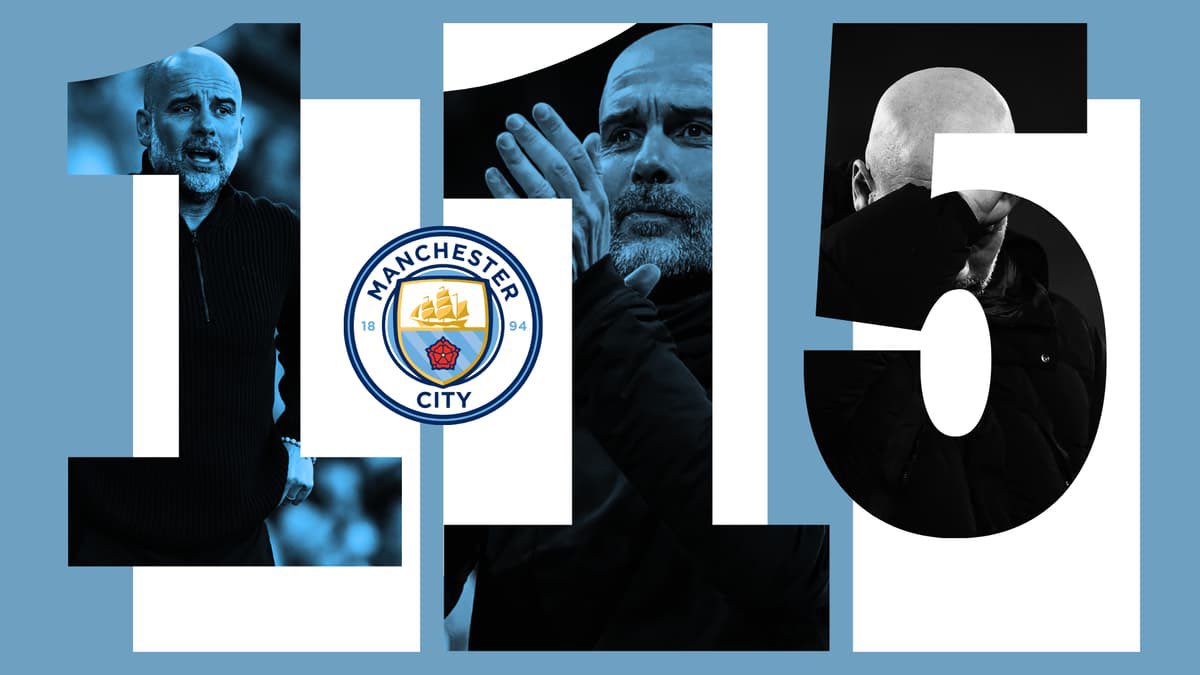
Manchester City’s extraordinary Premier League case entered a new phase on Friday after an independent commission found the club guilty of 114 of the 115 charges brought against them.
The verdict, first reported by The Athletic, relates to alleged financial-rule breaches covering several seasons between 2009 and 2018, together with alleged failures to cooperate with the league’s investigation.
However, the process is not finished as the Mancunians are expected to appeal, sanctions have yet to be determined and the commission’s full reasoning has not been made public.
The scale of the verdict matters because the allegations span the period in which City transformed themselves into one of English football’s dominant forces.
The charges included 54 alleged failures to provide accurate financial information from 2009-10 to 2017-18, 14 concerning player and manager remuneration, five involving UEFA financial regulations, seven relating to the Premier League’s Profitability and Sustainability Rules and 35 concerning cooperation with the league’s investigation.
How the Man City 115 charges/case developed
The saga can be traced to 2018, when leaked documents published by German magazine Der Spiegel triggered widespread scrutiny of City’s finances. The Premier League subsequently conducted a four-year investigation before referring City to an independent commission on February 6, 2023.
The alleged breaches cover nine seasons from 2009-10 through 2017-18. They include questions over reported sponsorship income and financial information, Roberto Mancini’s remuneration, player payments, UEFA Financial Fair Play compliance and Premier League profitability rules.
The independent hearing eventually began on September 16, 2024, and concluded in December that year. Nearly two years later, the verdict has finally emerged.
The timing is significant because City won three Premier League titles during the period covered by the financial allegations: 2011-12, 2013-14 and 2017-18.
There is already a compensation precedent
The most important recent precedent comes from Everton and Burnley.In June 2026, Burnley were awarded £26 million in compensation, plus about £9.1 million in interest, after an independent Premier League commission concluded that Everton’s PSR breach had caused sporting harm to Burnley during the 2021-22 season. Everton are appealing.
That case matters because it demonstrated that a financial-rule breach can potentially become more than a points deduction or fine as a rival club can seek damages where it can establish that the breach caused identifiable sporting and financial losses.
The Manchester City case therefore creates a potentially much larger legal battleground.
Man United: Titles and compensation
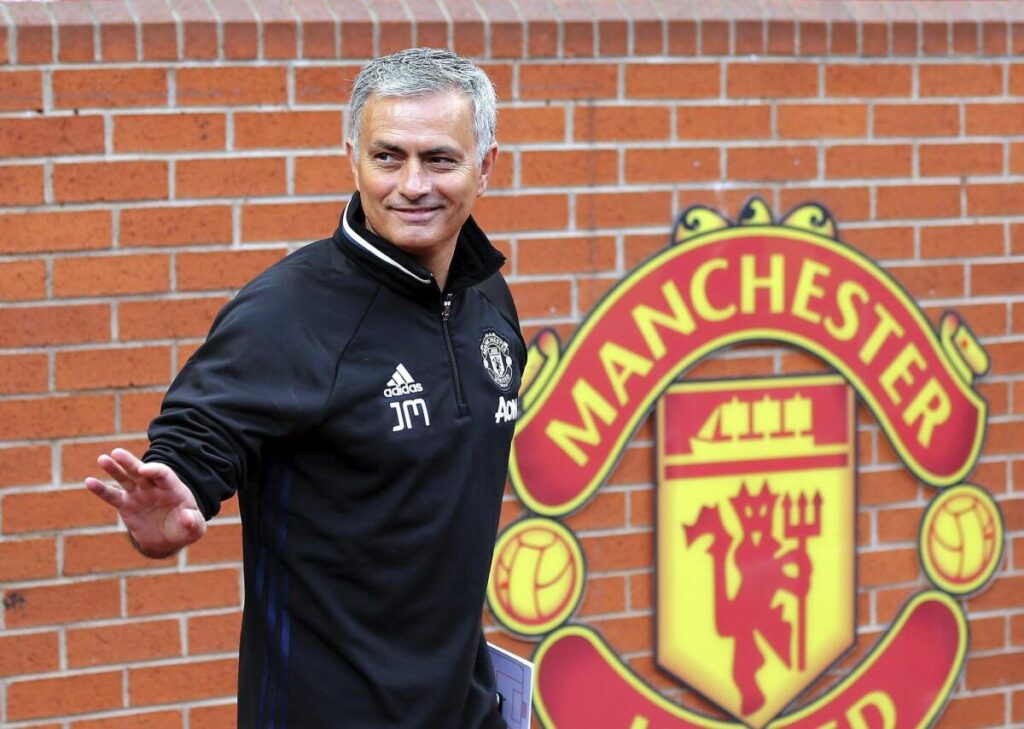
Manchester United are one of the clearest potential beneficiaries.
If the Premier League ultimately strips City of titles from the affected period and reallocates them, United could be recognised as champions for 2011-12 and 2017-18 as they finished second to their city rivals in both campaigns.
There is also a possible financial claim. United reportedly preserved their legal position to seek compensation for losses allegedly connected to City’s conduct. That could include lost prize money, commercial income and the value of opportunities that they argue would have been theirs to enjoyed without City’s alleged breaches.
However, neither compensation nor retrospective titles is automatic.
Liverpool: The 2013-14 title and damages
Liverpool have another obvious historical connection.
City beat the Reds to the 2013-14 Premier League title, finishing two points clear after a dramatic final day. If the title were eventually vacated and reassigned, the Reds would be the obvious club in line for recognition for that season.
Liverpool are also among the clubs reported to have protected their right to pursue compensation. The argument would potentially centre on lost prize money and other financial opportunities caused by City finishing above them.
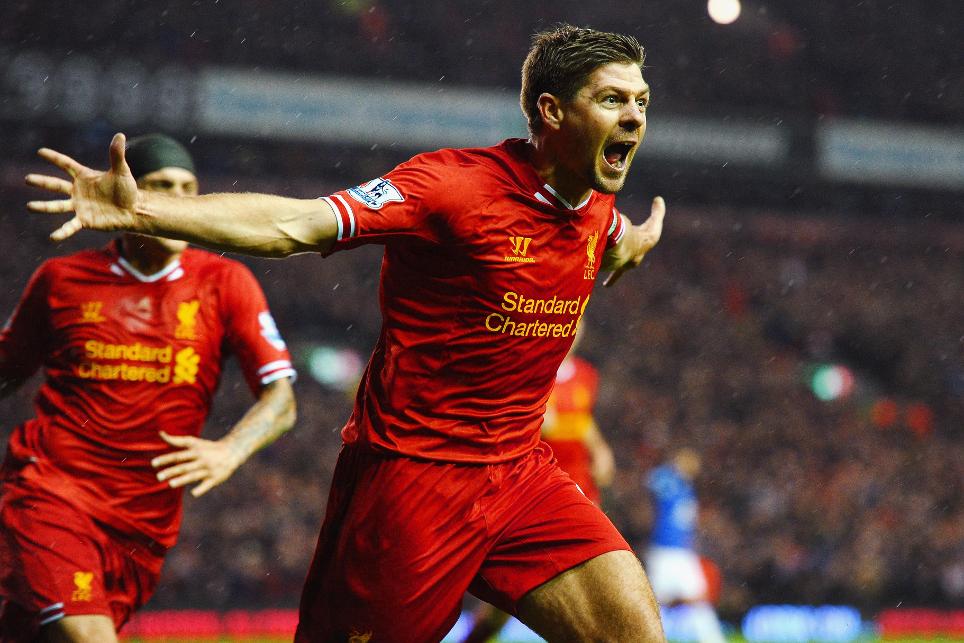
Liverpool will really be thrilled if City gets stripped of the titles even though they’ll only have one. Yet it would mean that Steven Gerrard, one of the greatest players in the club’s history will finally be recognized as a Premier League winner.
Again, that would require a separate legal process rather than flowing automatically from the guilty verdict.
Arsenal: Compensation rather than a title
Arsenal’s potential benefit is principally financial.
The Gunners did not finish immediately behind City in the three Premier League seasons directly affected by the alleged conduct, so the title-reallocation question is less straightforward for them.
However, the Gunners are reported to have been among the first clubs to preserve their rights to pursue compensation. Their case could cover alleged lost earnings and other financial opportunities across seasons in which City’s position affected Arsenal’s league placing, European qualification or prize distribution.
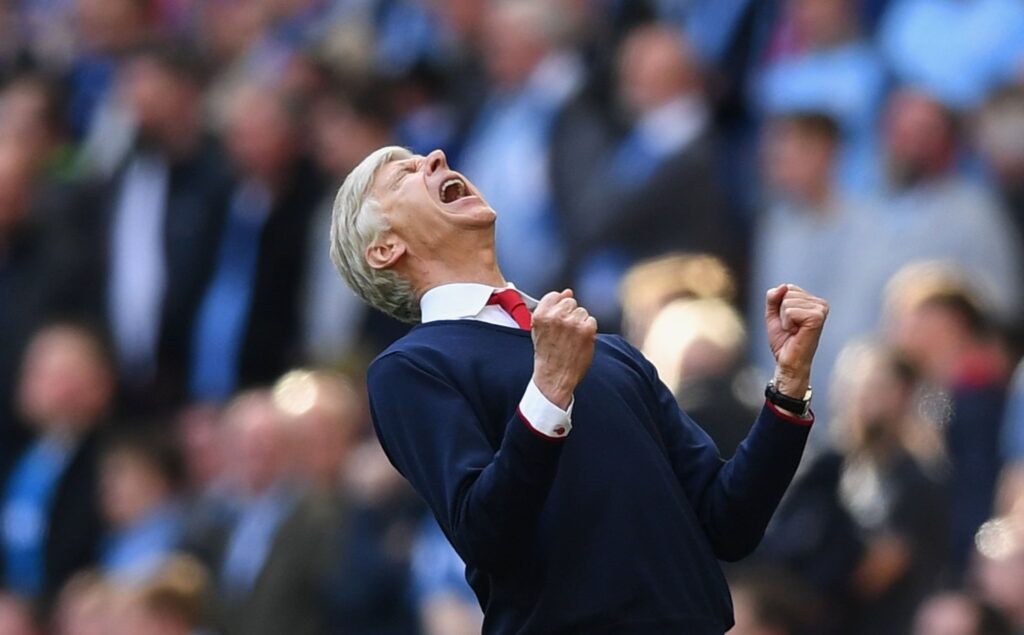
That makes Arsenal one of the most significant potential claimants even though a retrospective Premier League title is not currently established.
Tottenham Hotspur: Compensation claimant
Tottenham are the fourth club specifically identified in reports as having preserved their right to pursue compensation.
Their potential case is similar to their North London neighbor’s: rather than automatically receiving a title, Spurs could seek damages if they can demonstrate that City’s alleged breaches caused quantifiable financial or sporting losses.
The important point is that Tottenham’s legal position was reportedly protected before the relevant limitation period expired.
What about the other Premier League clubs?
The remaining clubs could benefit if City receive sporting sanctions, but their gains are considerably less certain.
Aston Villa could benefit from any redistribution of European places or league positions caused by a City points deduction or expulsion.
Bournemouth could gain a league-place advantage if City’s punishment affects the current table, although there is no automatic compensation claim currently reported.
Brentford similarly stand to benefit from any future movement in league positions or European qualification places.
Brighton & Hove Albion could gain indirectly through European-place redistribution or a revised league table.
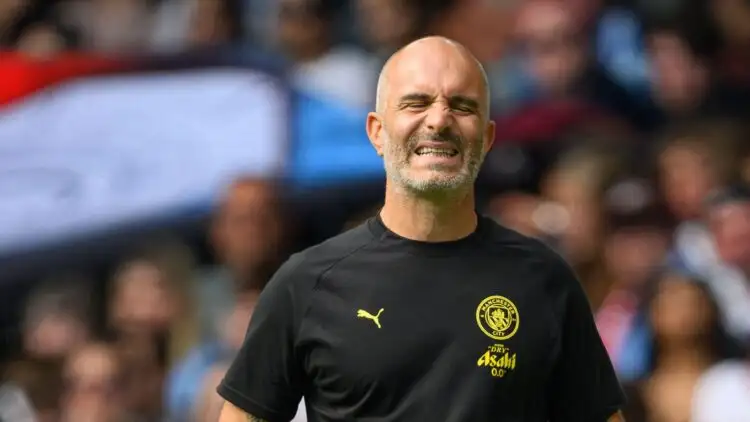
Chelsea could potentially benefit from changes to league positions, European qualification and prize money. Their historical position would also be relevant to any broader redistribution, depending on the sanctions imposed.
Crystal Palace could gain indirectly from movement in the European qualification places or a City points deduction.
Everton are already at the centre of the Burnley precedent and could potentially benefit from City’s sanctions through league-position redistribution, although their own appeal against the Burnley compensation ruling remains relevant to the wider legal landscape.
Fulham could gain an additional league place if City are docked points or removed from the competition, but no specific compensation claim has been publicly identified.
Leeds United: Any significant sporting sanction against City could improve their league position and potentially affect prize money or qualification opportunities.
Newcastle United could benefit from European-place redistribution if City lose a qualifying position or are removed from a competition.
Nottingham Forest: likewise could gain from any revised table, particularly if European places are redistributed.
Sunderland could potentially benefit from changes to league positions, but there is no established compensation claim comparable with those of the four clubs above.
In short, all 19 current Premier League rivals could potentially benefit from a sporting punishment, but only Manchester United, Liverpool, Arsenal and Tottenham have been specifically identified in credible reporting as clubs that preserved rights to pursue compensation.
What could City actually lose?
The eventual punishment could include a points deduction, financial penalty, transfer restrictions, suspension or expulsion, while retrospective title consequences remain a possibility that would have to be determined separately.
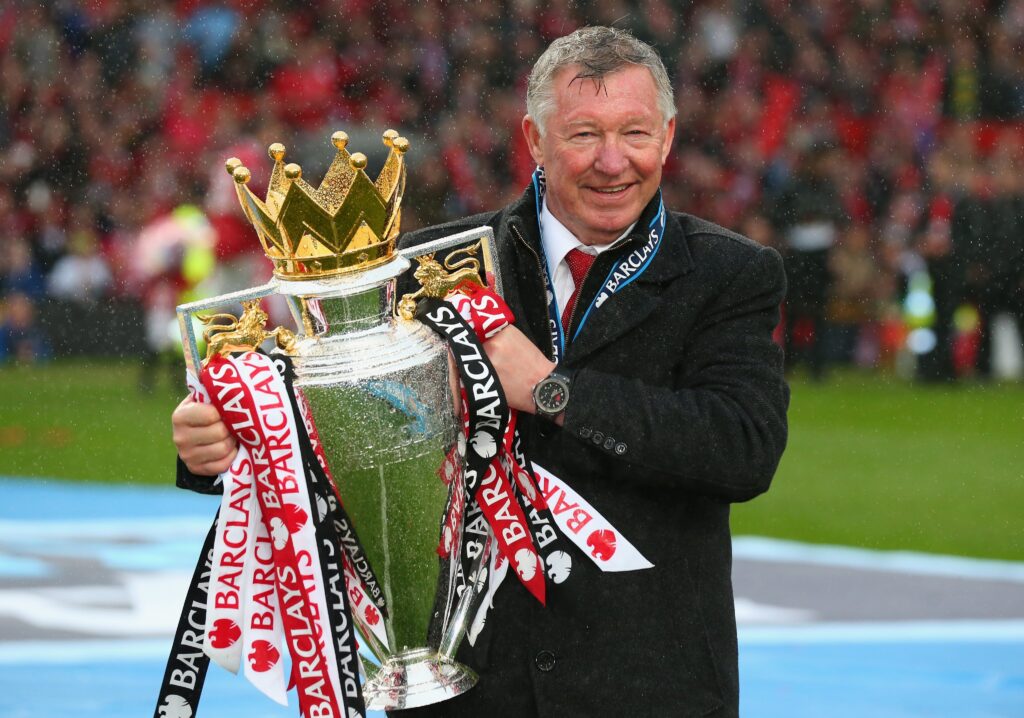
For historical Premier League titles, the three seasons attracting the greatest attention are 2011-12, 2013-14 and 2017-18. United finished second in two of them and Liverpool finished second in the other.
But the legal process will determine whether those positions are enough to justify retrospective recognition.
The legal battle has only just begun
The most important development for City’s rivals is that several clubs did not wait for the verdict before protecting their legal positions.
Reports from several sources indicate that lawyers had already been advising clubs and that Arsenal, Manchester United, Liverpool and Tottenham had taken steps to preserve their ability to seek damages.
That does not mean those clubs have already won compensation since no public damages award against City has been made, and the independent commission’s verdict is expected to be challenged.
The Burnley-Everton case nevertheless provides the blueprint. Establish a rule breach, demonstrate sporting harm, calculate the resulting financial loss and pursue compensation through the Premier League’s dispute-resolution mechanisms.
For City, therefore, the 114 guilty findings may be only the first bill. The next battles could concern sanctions, titles, European places, prize money and potentially hundreds of millions of pounds in claims from rivals.
The final outcome will depend on the appeal, the commission’s eventual sanctions and the separate legal claims that may follow. What is already clear is that the verdict has transformed the 115-charge saga from a dispute over City’s conduct into a potentially league-wide fight over the consequences of that conduct.