Arsene Wenger to lead Africa’s World Cup coaches in CAF panel

Arsene Wenger and several coaches behind Africa’s historic 2026 World Cup campaign will gather in Cabo Verde to examine the continent’s progress and discuss how to build on it ahead of 2030.
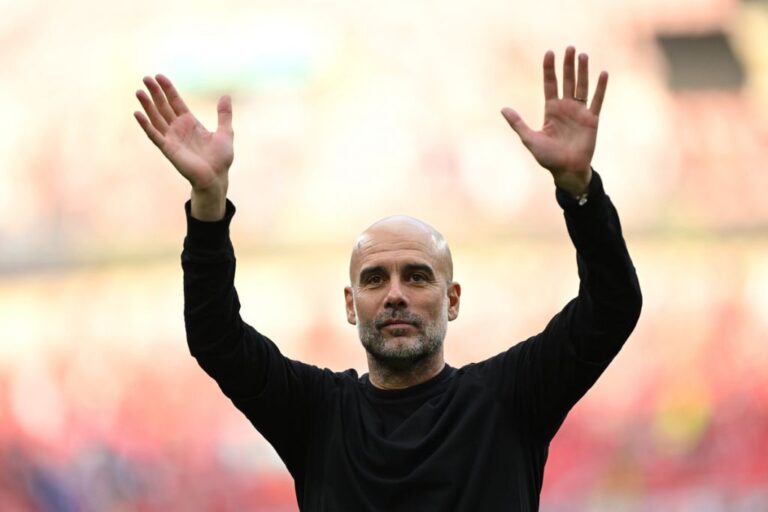
Arsene Wenger will headline a major gathering of African football coaches and technical leaders as the CAF Strategy Conference prepares to examine the continent’s record-breaking 2026 FIFA World Cup campaign and its implications for the future.
The three-day conference, scheduled for October 7-9 in Santa Maria on Cabo Verde’s Sal Island, will bring together representatives from all 54 CAF member associations alongside national-team coaches, football legends and international experts.
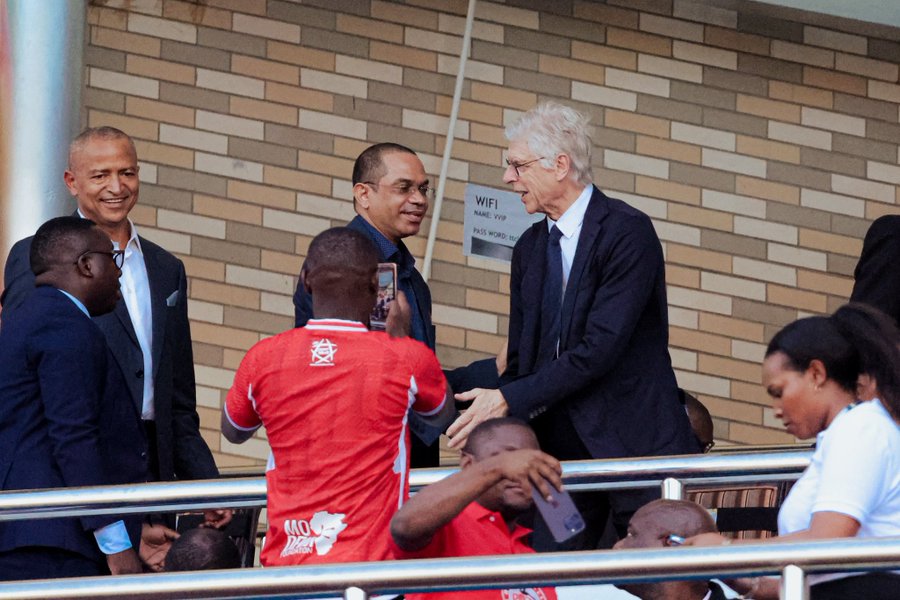
Wenger, FIFA’s Chief of Global Football Development and former Arsenal manager, will lead a panel featuring several coaches whose teams made a strong impression at the World Cup, including Cabo Verde’s Bubista, Morocco’s Mohamed Ouahbi, Egypt’s Hossam Hassan and DR Congo’s Sébastien Desabre.
The meeting comes after Africa produced its best collective World Cup performance, with nine of its 10 representatives advancing to the knockout stage.
The conference will therefore go beyond celebrating those results, with CAF aiming to identify the coaching, technical and developmental factors that can be replicated across the continent before the 2030 tournament.
Bubista’s experience is particularly notable after he guided Cabo Verde to its first World Cup and into the knockout rounds, while Ouahbi took Morocco to a second successive quarter-final.
Hassan also led Egypt to their first World Cup victory, while Desabre ended DR Congo’s 52-year wait for a return to the global tournament and guided the Leopards into the knockout phase.
The discussions will also reflect the growing influence of African coaches, with six of Africa’s 10 World Cup teams led by home-grown coaches in 2026, compared with just one in 2010.
CAF hopes the lessons from the conference will help strengthen coaching pathways, player development and sustainable football structures across its 54 member associations as the continent looks towards 2030.