
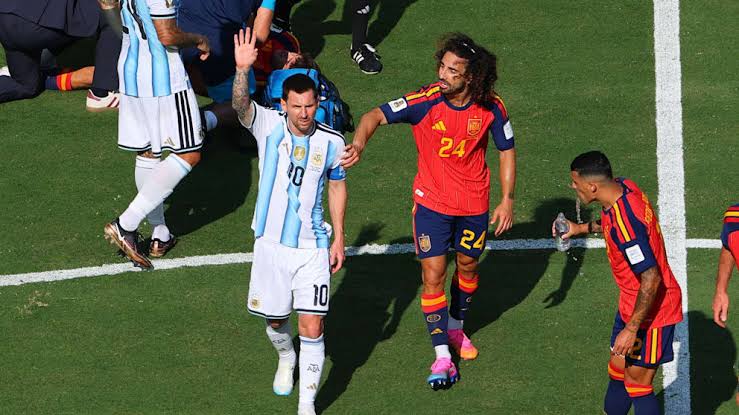
5 reasons why Argentina aren’t beating the RIGGED allegations

The enduring “rigged” narrative surrounding Argentina’s recent World Cup runs is fueled by a combination of favorable refereeing decisions, low booking-to-foul ratios, and controversial VAR calls that consistently went in their favor.
When lightning strikes the same spot repeatedly, questions naturally arise regarding the underlying circumstances, and this is a reflection of the “rigged” narrative that has shadowed Argentina since the Qatar 2022 World Cup.
This narrative, subjective, of course, like every opinion in football, where people tend to see things from whichever angle lets them sleep easiest at night.
Whether or not these tournaments were tilted in Argentina’s favour, one certain fact is that it still takes a genuinely talented team to make the most of any extra help, because in the end, they’re the ones with the biggest part to play.
But nearly four years on, the narrative hasn’t gone away, and if anything, their run to the 2026 World Cup final gave fresh legs to the narrative. Here are five reasons the rigged talk has become impossible to ignore.
Why Argentina aren’t beating the RIGGED allegations
1. Infantino’s ‘Suffer’ Comment
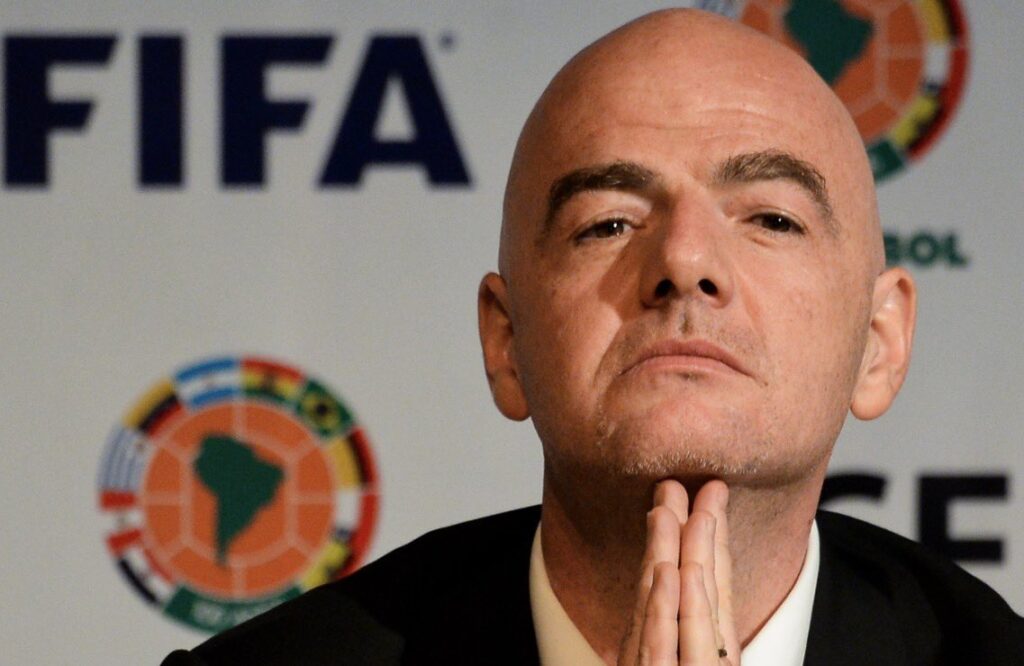
After Argentina scraped past Cape Verde in extra time at the 2026 World Cup, FIFA president Gianni Infantino stood in front of the cameras and said something that lit the internet on fire: “Tonight, I suffered with Argentina… but I’m neutral.”
He caught himself almost immediately and tried to walk it back, but the damage was done. This is the man who oversees the entire tournament, admitting on live television that his emotions were tied to one specific team’s result.
For a fanbase already convinced the system is rigged in Argentina’s favour, it wasn’t just a gaffe. It was a confession. And as the competition went deeper, all they could see whenever Argentina played was a team riding on the wheel of FIFA.
2. Excessively Aggressive, Rarely Punished
For years, Argentina have played on the edge, physical, niggly, willing to break up rhythm with fouls that other teams would get carded for. It became so normal that nobody blinked anymore. But it caught up with them in the biggest game possible.
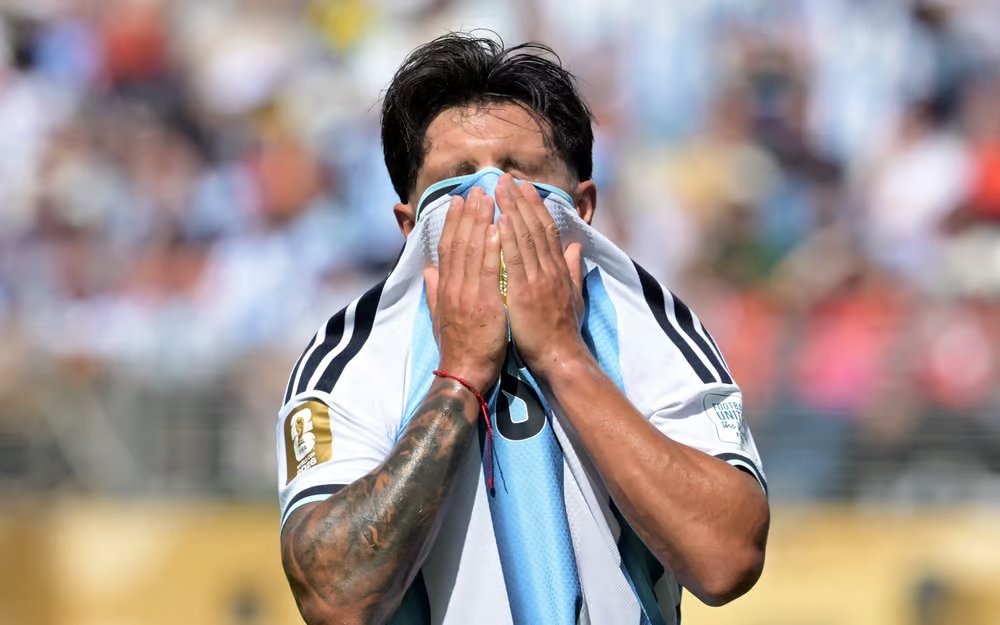
In the 2026 final against Spain, Enzo Fernández, who probably forgot that the subscription to premium fouls had expired, was shown a second yellow deep into extra time for a reckless, late challenge on Pau Cubarsí, a decision even neutral pundits called clear-cut.
But why blame the Chelsea midfielder when he and his teammates had done much worse earlier in the tournament without getting booked?
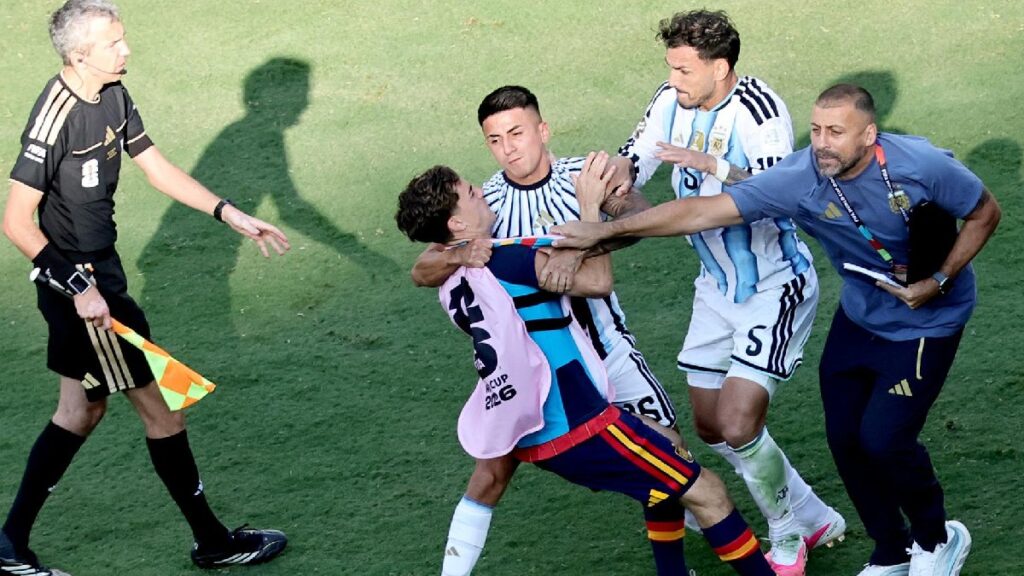
Then, after the final whistle, Leandro Paredes was sent off for literally beating up Gavi after shoving Eric García, while Nahuel Molina reportedly took a swing at Spain’s captain. The aggression that Argentina had gotten away with for years finally cost them, and it happened on the biggest stage.
3. The Foul-to-Booking Ratio Doesn’t Add Up
Here’s where the numbers get uncomfortable. Through the quarter-finals of the 2026 World Cup, Argentina had committed 58 fouls but picked up just 3 yellow cards, working out to roughly one booking for every 19.7 fouls.
Heading into the semi-finals, only one Argentina player, Gonzalo Montiel, had even been booked across two knockout matches, despite committing more fouls than their opponents, Cape Verde and Egypt, who combined for four bookings.
Referees, it seemed, were not only reluctant to reach for the cards no matter how often Argentina committed fouls, but they also seldom called fouls that were actually committed. That leniency didn’t last forever, though.
Whatever restraint referees showed for most of the tournament evaporated completely in the final, where cards, tempers, and post-match chaos all boiled over at once. And maybe the World Cup final is too big an occasion to continue turning a blind eye.
4. Zero VAR Decisions Against Them
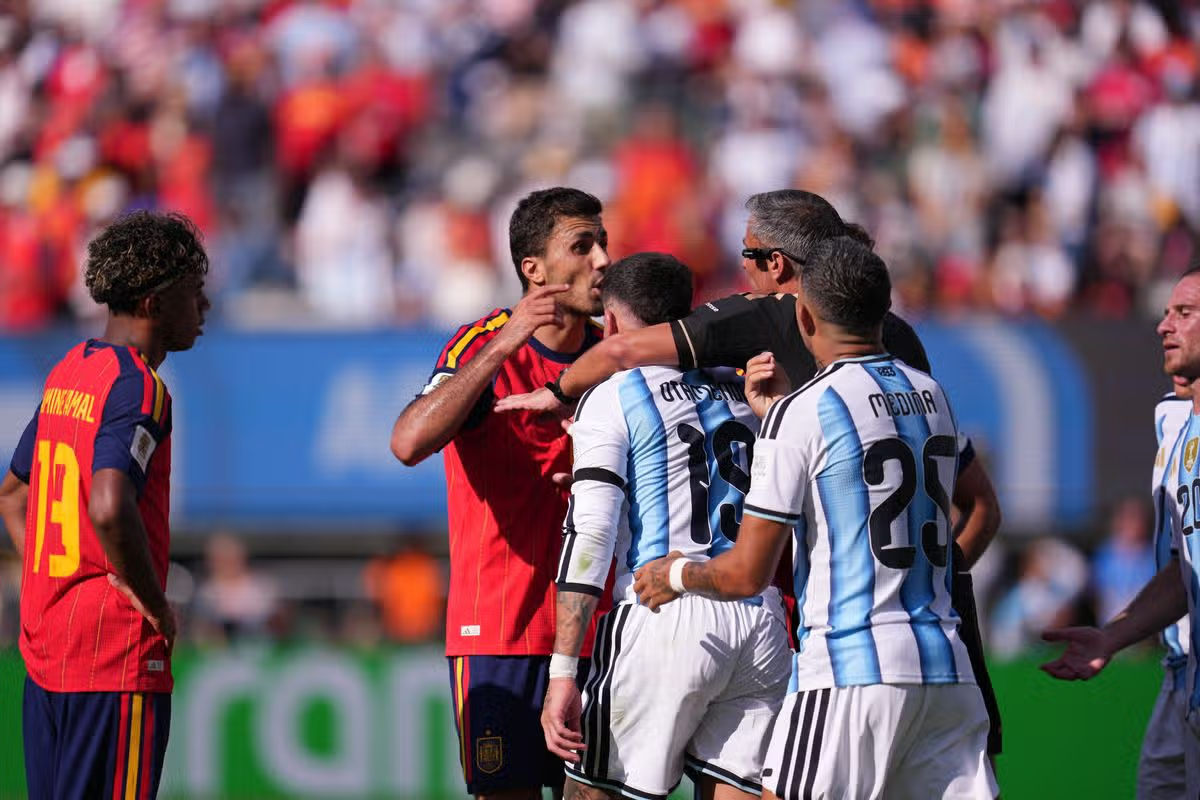
All of the VAR decisions involving Argentina went in their favour, and the ones that could have gone against them, VAR didn’t intervene.
If one incident sums up the frustration, it’s the group-stage clash against CAF teams: Algeria, Cape Verde, and Egypt. Lionel Messi caught Aïssa Mandi’s calf with his studs in a challenge that plenty of pundits, including former Manchester City defender Nedum Onuoha, felt deserved a straight red.
Referee Szymon Marciniak waved it away, VAR never reviewed it, and Messi went on to score a hat-trick in the same match as Argentina won 3-0. Algeria’s federation reportedly filed a formal complaint with FIFA, but the deed was done, and nothing came of it.
Compare that to what happened weeks later, when USA forward Folarin Balogun was sent off following a VAR review for a challenge that many observers felt mirrors that of Messi’s.
The Argentina Round of 16 win over Egypt added more fuel too, with an Egyptian goal ruled out by VAR for a foul in the build-up, a call many football analysts felt stretched the limits of what VAR is supposed to check.
Argentina survived, then won 3-2 in the dying seconds thanks to a late winner from Enzo Fernandez, which was very contested as Egypt had two penalty appeals in the build-up, but the VAR refused to intervene.
Two similar situations, two very different outcomes, and Argentina always seemed to land on the fortunate side. The consistency of every decision going their way, of course, would only strengthen the rigged narrative.
5. The Spoils of Qatar 2022 Started It All
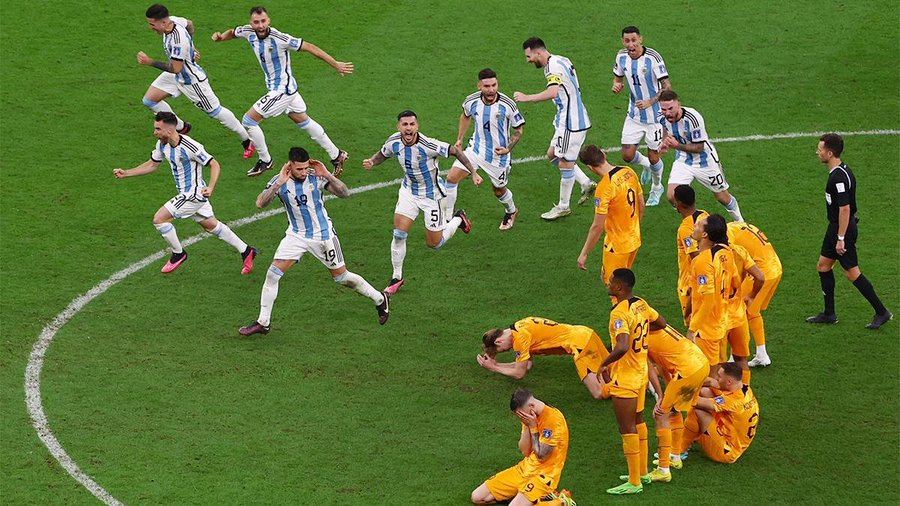
The rigged talk around Argentina traces straight back to 2022, when Albiceleste were awarded penalties in multiple knockout rounds on their way to their first World Cup trophy since 1986.
The most cited flashpoint remains the quarter-final against the Netherlands, an 18-card classic where Messi appeared to deliberately handle the ball to escape Nathan Aké while already on a yellow.
Referee Antonio Mateu Lahoz chose not to caution him again, sparing him what should have been a second yellow and a deserved early exit from the pitch.
Argentina went on to win the match in a penalty shootout, then the whole tournament. For a lot of fans, that one moment became the seed of everything that followed.
The Bigger Picture
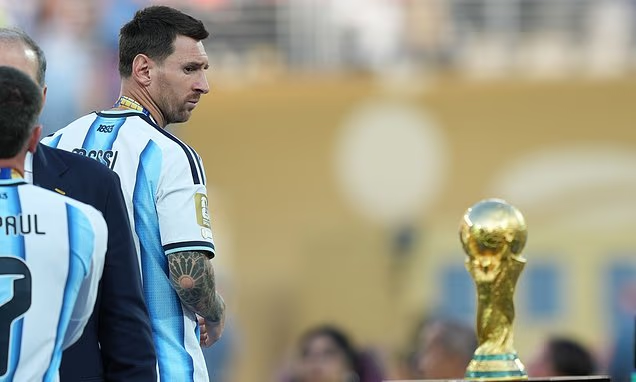
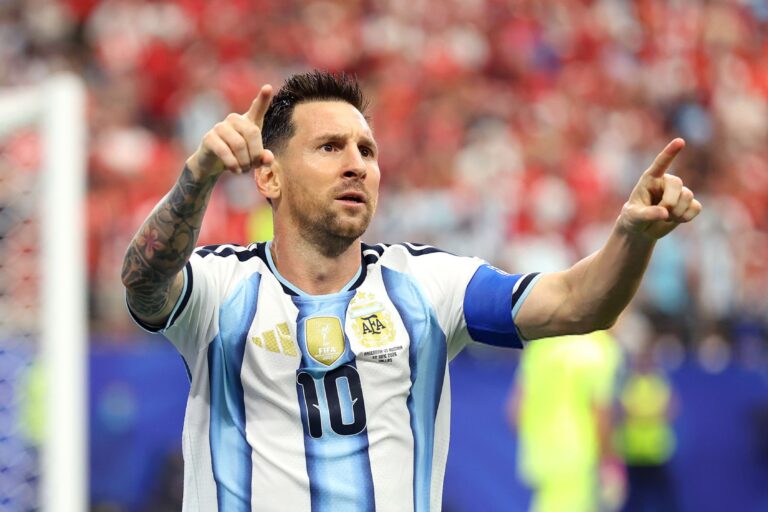
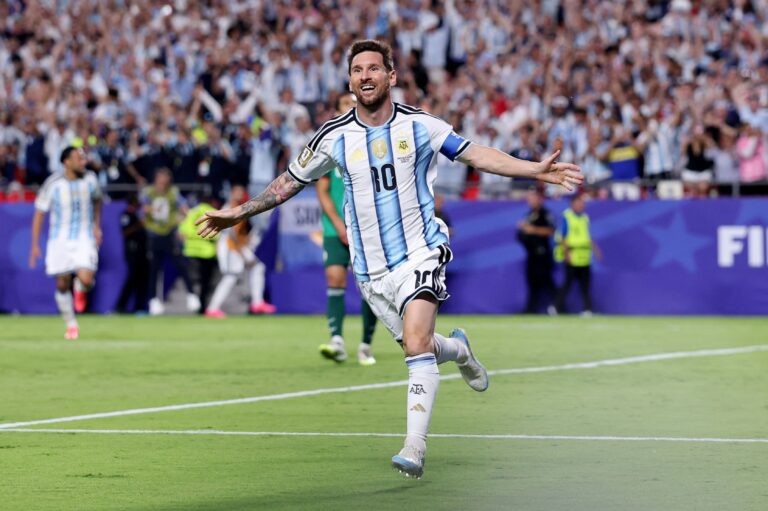
None of this proves a grand conspiracy, and Messi’s genuine brilliance, along with the Argentine team’s quality, deserves real credit regardless of any refereeing debate.
Plenty of pundits and outlets have pushed back hard against the rigged framing, pointing out that Argentina have also had decisions go against them, and that isolated controversial calls happen to every team that goes deep in a World Cup.
But when the same team keeps benefiting from the tightest of calls, tournament after tournament, it’s not hard to see why so many fans have stopped believing it’s just coincidence.

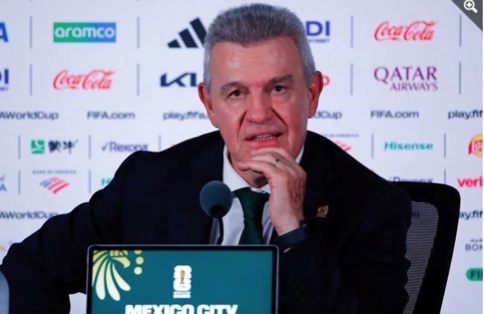


Fifa president really work in favour of Argentina 🇦🇷. But Spain was on another level in that final, if not it’s another story entirely it will be.