Ranking the 10 Biggest Fall Guys Since Manchester United’s Decline Began

A look at ten players and managers who have been made scapegoats for Manchester United’s decline since Sir Alex Ferguson’s departure.
Almost a decade into the decline of one of the biggest clubs in the world, there have been a lot of individuals whose histories at Manchester United stand out for being the fall guys in the club’s failure to maintain the standards set by Sir Alex Ferguson.
From players signed and sold to coaches hired and fired, the club continues to search for its break-even moment, when it will finally restore lost glory, even if it is only to remain competitive in the company of the other heavyweights.
Coach Michael Carrick departs after initially appearing as the Messiah, just like some other bosses who have taken over at the club and enjoyed promising starts before reality finally caught up with them.
One of Ole Gunnar Solskjaer’s biggest achievements was taking the club to second place in the Premier League standings, behind a Manchester City side who were unmatched at the time.
As the club continues to linger in the shadows of its glorious days, we take a look at ten individuals who have been scapegoated by the media and the public, becoming villains in a story that has remained unchanged even after their departures.
Man United’s 10 biggest fall guys
1. Harry Maguire
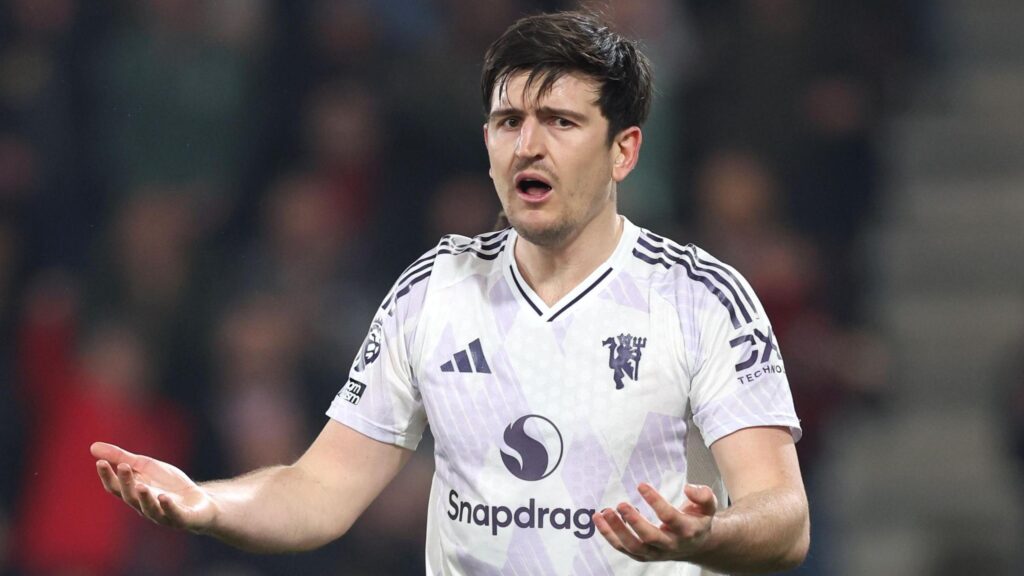
Few Manchester United players have endured as much public ridicule as Harry Maguire. Signed from Leicester City for £80 million in 2019, he arrived with enormous expectations but struggled to justify his price tag, particularly after a series of costly defensive errors.
His performances became a regular source of jokes, while his England struggles and the decision to strip him of the United captaincy only intensified the scrutiny.
Yet Maguire’s difficulties were also symptomatic of a club that repeatedly failed to provide stability around its players. He became an easy target for a team whose defensive problems extended far beyond one individual.
2. Andre Onana
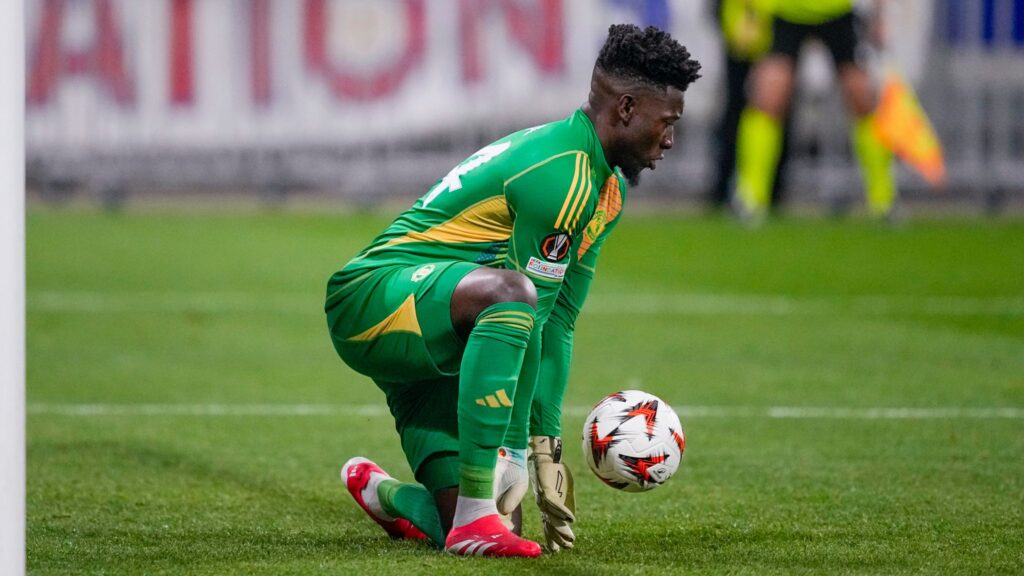
Andre Onana arrived at Old Trafford in 2023 with a reputation as one of Europe’s most technically gifted goalkeepers, having kept the most clean sheets in the Champions League as Inter reached the final in his last season. However, his first season quickly became a difficult introduction to English football.
A string of high-profile mistakes in the Champions League, particularly against Bayern Munich and Galatasaray, left United paying heavily for his errors. Although he improved in certain aspects of his game, inconsistency remained a problem, and supporters increasingly questioned whether he was the right replacement for David de Gea.
Onana became one of the most visible symbols of United’s recruitment struggles, even as the defensive instability in front of him contributed to his difficulties. The Cameroonian eventually left the club on loan to Turkish side Trabzonspor.
3. Erik ten Hag
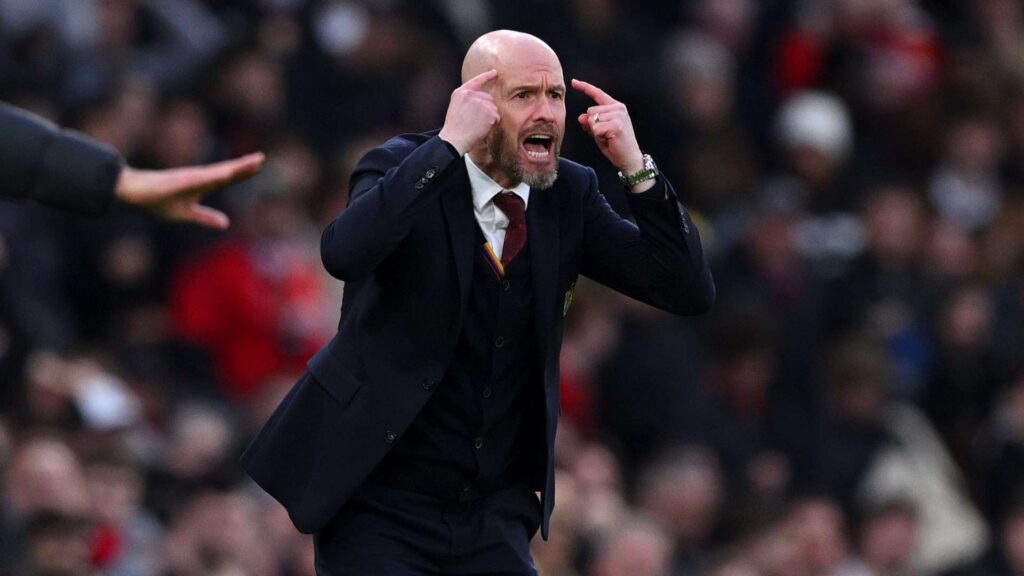
Erik ten Hag arrived at Manchester United in 2022 with the reputation of a manager capable of restoring discipline and a winning identity to the club. His first season offered encouragement, with a third-place Premier League finish and a League Cup triumph, but things gradually unravelled.
Heavy defeats, questionable tactical decisions, inconsistent recruitment and public disagreements with players made him a regular target of criticism. He was also the first manager to take Manchester United to such a troubling position in the league standings.
His handling of Jadon Sancho and Cristiano Ronaldo generated considerable controversy. Although Ten Hag eventually lost his job, United’s problems remained, raising questions about whether he had been made the face of failures that went much deeper than his management.
His spell at Old Trafford was another reminder that changing the manager alone could not fix a club struggling with its identity and direction. But in the face of Manchester United’s crisis, that appears to be the only fortune they can afford.
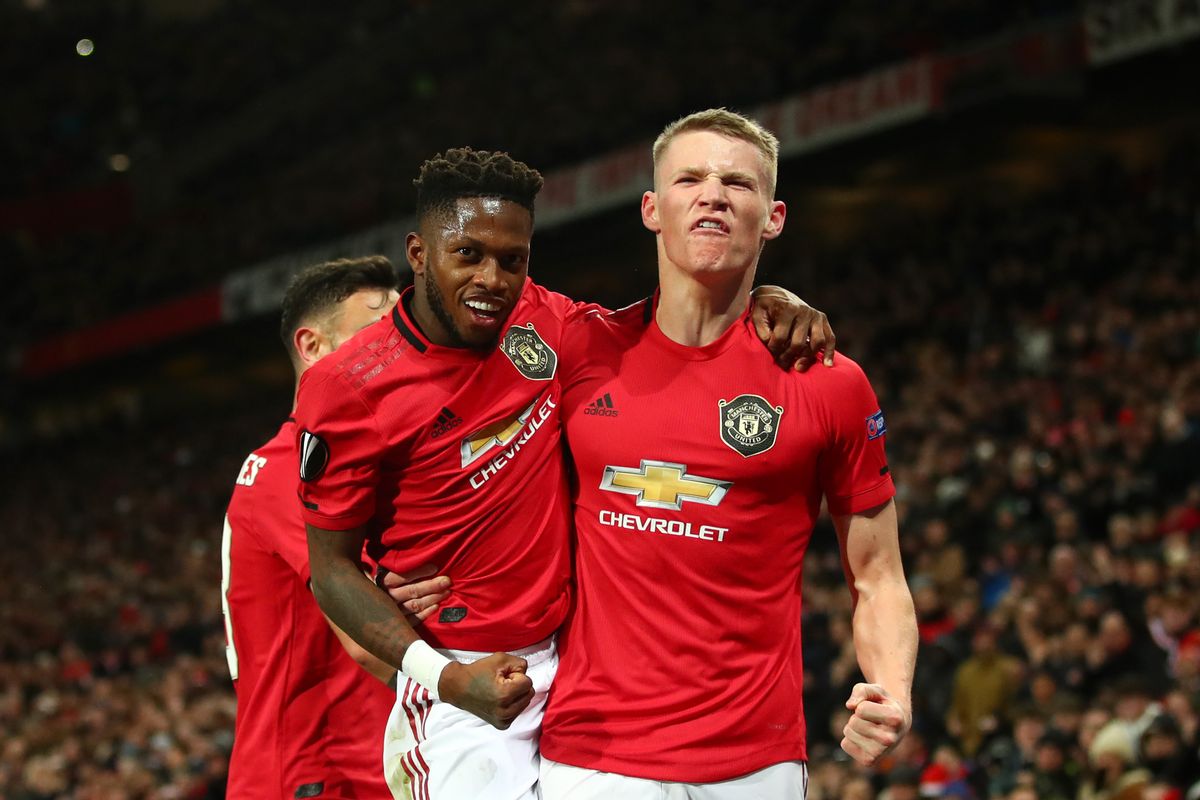
4. Scott McTominay
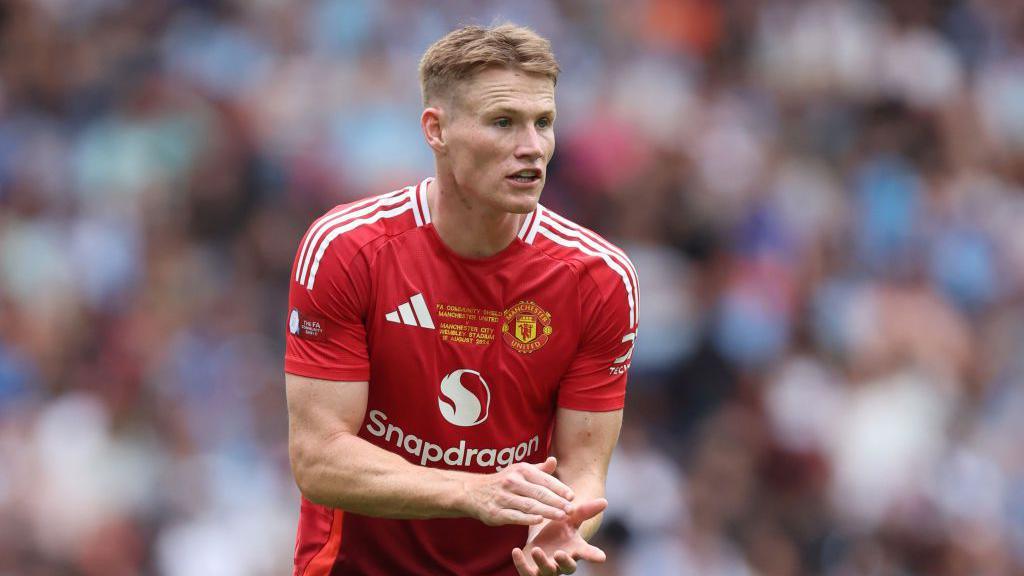
For years, Scott McTominay was criticised for supposedly lacking the technical quality required to be a regular Manchester United midfielder. Despite his commitment and occasional important goals, he was frequently singled out whenever the team struggled to control games or dominate midfield battles.
His critics often overlooked the fact that he was being asked to perform roles that did not always suit his strengths. His subsequent success at Napoli, where he established himself as an influential midfielder and won the Serie A title, offered a reminder of what United may have failed to get out of him.
McTominay became another example of a player whose limitations were magnified by the club’s wider shortcomings. For a player who went on to win the Serie A Player of the Season award, earn a Ballon d’Or nomination and consistently deliver for Napoli, it is safe to say he vindicated himself.
5. Fred
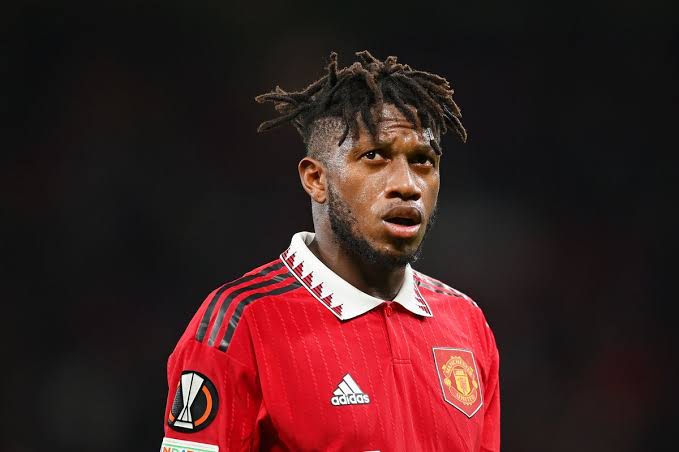
Fred’s Manchester United career was characterised by an unusual combination of relentless effort, frustrating mistakes and unfair expectations. Signed from Shakhtar Donetsk in 2018, the Brazilian midfielder struggled to establish consistency, particularly when asked to dictate possession or provide defensive security on his own.
His occasional poor performances attracted widespread criticism, with supporters questioning his suitability for a club competing for major honours. However, Fred was often deployed in an unsettled midfield and expected to compensate for deficiencies elsewhere.
His partnership with McTominay became the joke of the league, and his departure eventually brought an end to a difficult chapter. His Old Trafford experience highlighted United’s inability to build a balanced midfield around the players they recruited.
6. Romelu Lukaku
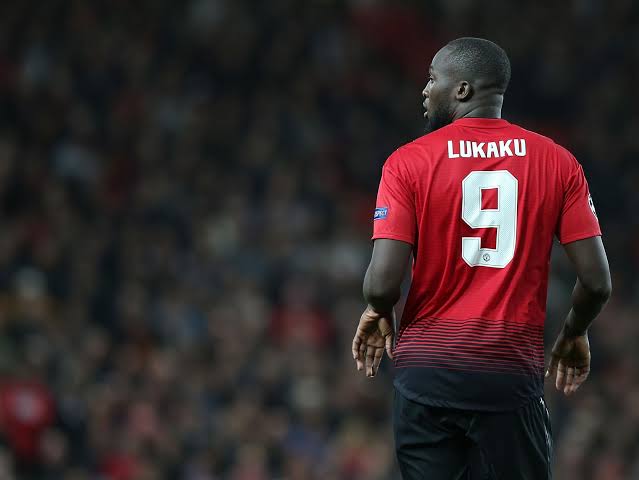
Romelu Lukaku’s time at Manchester United lasted just two seasons, but it was enough to leave him at the centre of considerable debate.
The Belgian striker, signed in a big-money move from Everton in the summer of 2017, scored regularly during his first campaign but struggled to convince sections of the fanbase with his overall performances, particularly his first touch and involvement in build-up play.
The criticism became increasingly personal, with his physical appearance even becoming a subject of online mockery. Despite scoring 42 goals in 96 appearances, he was eventually sold to Inter Milan in 2019.
Lukaku’s departure raised questions about United’s ability to maximise the strengths of an established striker rather than simply judging him against unrealistic expectations. Since his departure, no striker, bar Cristiano Ronaldo, has enjoyed better success at the club.
7. Paul Pogba
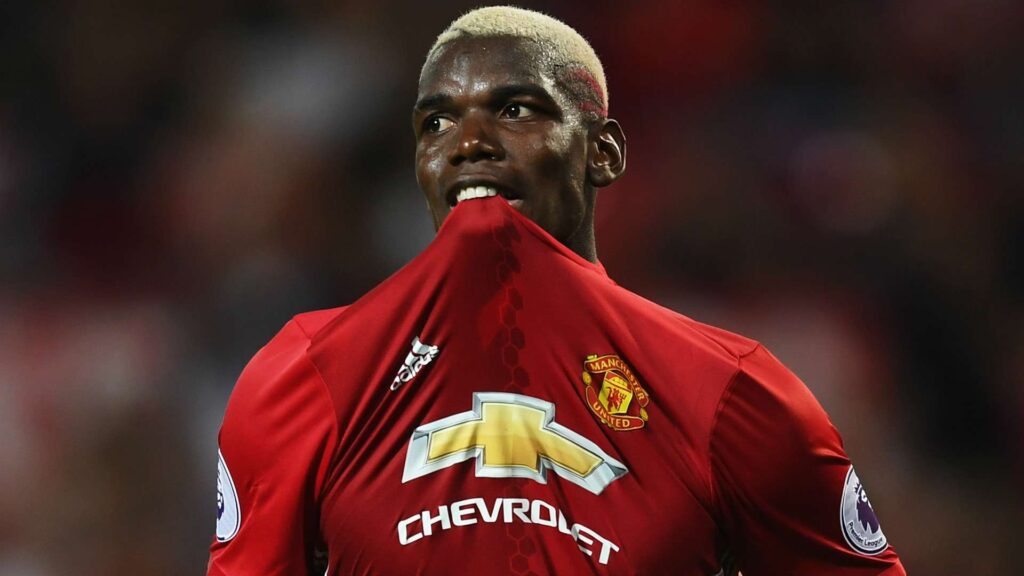
Paul Pogba’s second spell at Manchester United was supposed to represent a new beginning for a player who had developed into one of Europe’s most exciting midfielders at Juventus. Instead, his £89 million return in 2016 became an increasingly complicated story of inconsistent performances, injuries, managerial disagreements and persistent speculation about his future.
His relationship with the media and his public image often attracted as much attention as his football, while criticism intensified whenever results went against United. Yet Pogba also produced some outstanding performances and helped the club win the Europa League and League Cup in 2017.
His United story represents another name on a long list of scapegoats at a club that continues to single out individuals when things go wrong, even though their exits have never turned the club’s fortunes around for good over a sustainable period.
8. Ruben Amorim
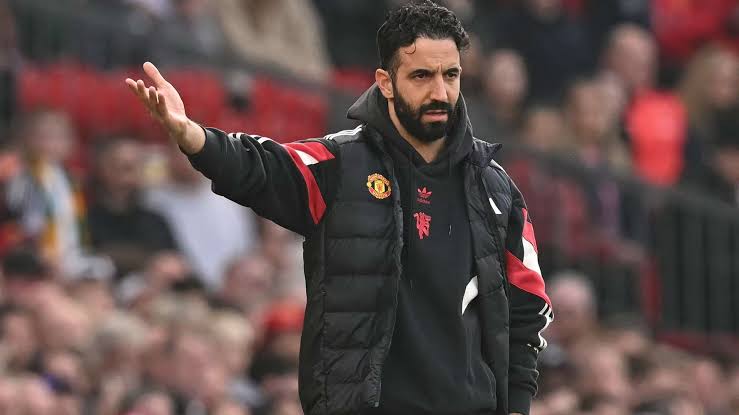
Another coach on the list, Ruben Amorim arrived at Manchester United with a growing reputation after his success at Sporting CP, but the challenge of rebuilding the English giants proved considerably more complicated.
His insistence on a back-three system, despite questions over whether the squad possessed the right personnel, attracted criticism, while inconsistent results put his methods under constant examination.
The manager became a convenient figure to blame for performances that reflected deeper problems within the club. However, his struggles also raised legitimate questions about tactical flexibility, squad suitability and whether United had appointed the right man for the job.
Amorim’s experience demonstrated how quickly optimism can disappear at Old Trafford. However, the Portuguese manager also shared resentment over how the club’s management betrayed him by allowing him to remain in a coaching capacity when the agreement was for a managerial role.
9. Bruno Fernandes
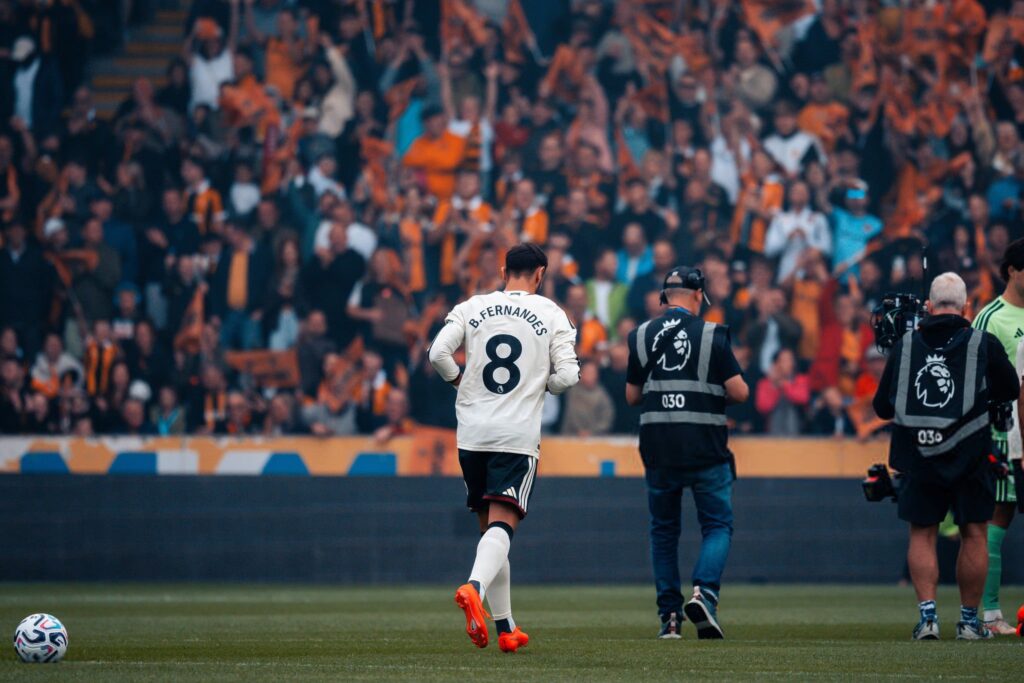
Bruno Fernandes has arguably been one of Manchester United’s most influential players since joining the club in January 2020, but that has not protected him from criticism.
His excessively emotional reactions, frequent complaints towards officials and occasional frustration with teammates have attracted scrutiny, while some fans have questioned whether his playing style is suited to a side seeking greater control and consistency.
He has also carried an enormous creative responsibility, often being expected to produce something special in teams that have struggled collectively. Despite his goals, assists and leadership, Fernandes has repeatedly found himself under fire during difficult periods.
His nomination reflects the strange reality of United’s decline: even one of their most productive players has not been immune to the blame.
10. Marcus Rashford
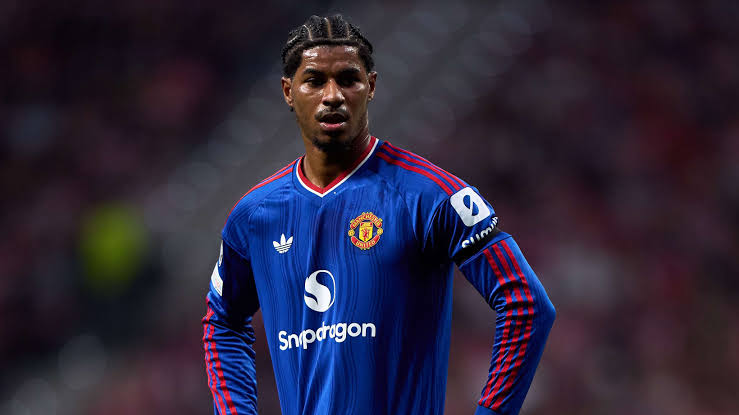
Marcus Rashford went from being one of Manchester United’s brightest academy graduates to one of the most heavily scrutinised players at the club.
His breakthrough under Louis van Gaal in 2015 came at a very young age, but despite that, he was able to match expectations with impressive and consistent performances until the malaise that has seized the club descended on him.
Rashford’s outstanding 30-goal campaign in 2022/23 offered hope that he could become the attacking leader United desperately needed, but inconsistent performances, questions about his work rate and concerns over his commitment soon changed the narrative.
His off-field activities also became a regular subject of discussion, particularly during periods when his performances dipped. Despite being one of the few players capable of producing match-winning moments, Rashford increasingly became a target for supporters frustrated by the club’s struggles.
His temporary departure from the first-team picture underlined how a player once viewed as central to United’s future could quickly become part of the problem in the eyes of the public. Even though he has since returned, not much responsibility is placed on a player who was once the face of the club.