
The true story behind the Zaire 1974 free-kick incident: How an infamous clearance saved Zaire from execution

The true story behind the Zaire 1974 free-kick incident is a revelation that there is reason behind every action, and for Mwepu Ilunga, it is about saving himself and his teammates from certain execution.
For five decades, world football compilations have replayed the same clip to prompt easy laughter, because the scene in Gelsenkirchen was as hilarious as it can be, but little did they know that the true story behind the Zaire 1974 free-kick incident against Brazil.
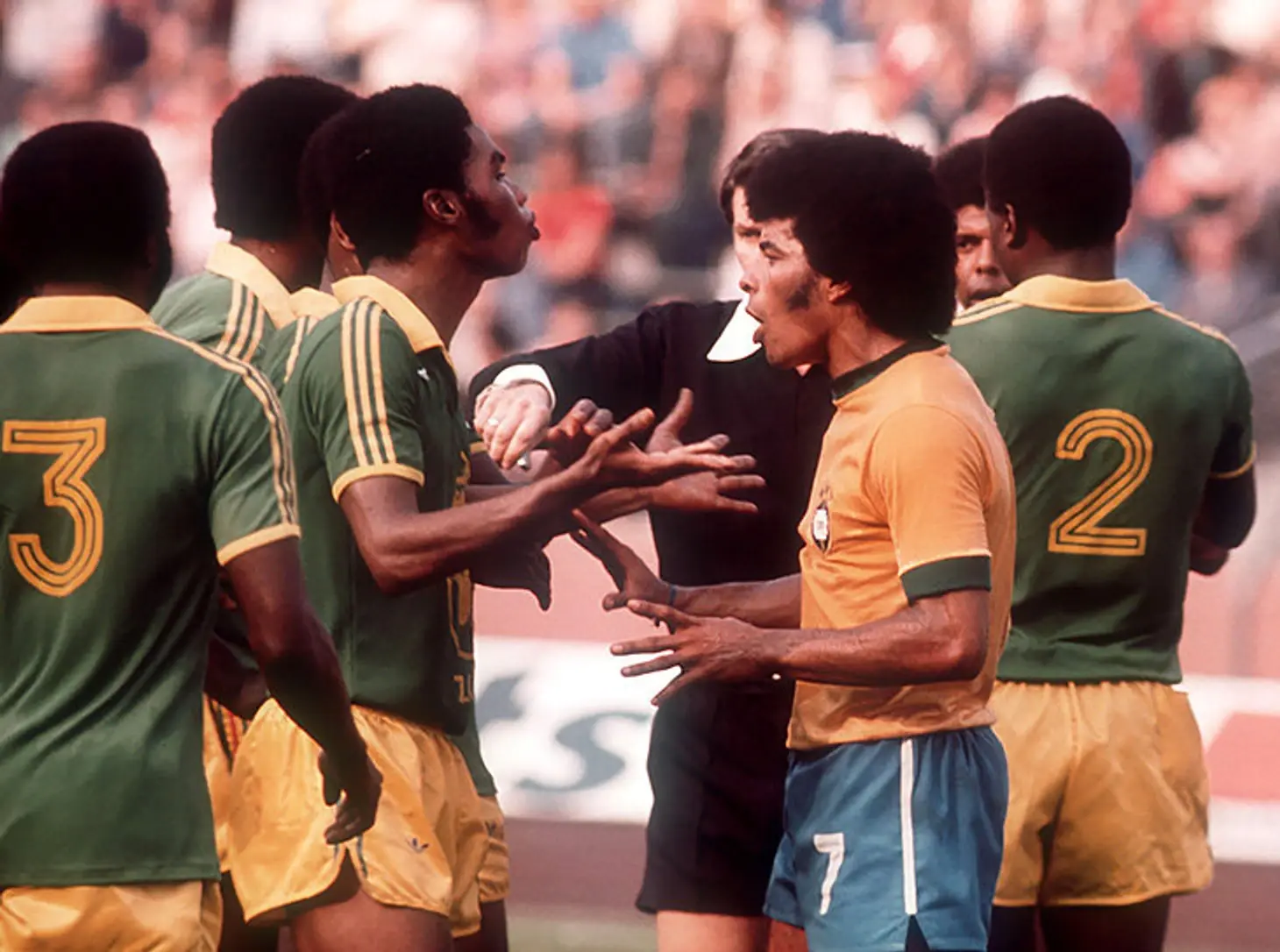
World champions Brazil stand over a free-kick, and suddenly, a defender breaks from the Zairian wall, charges the stationary ball, and boots it deep into the opposition half.
To the European commentators at the time, it was framed as a moment of absolute comedic ignorance, as they claimed the African players simply did not know the rules of the game.
However, behind the laughter lay a terrifying reality, as that kick was not an act of ignorance, but an intentional, desperate intervention by a man playing for his life, and the honor of a nation trapped in the grip of a brutal dictatorship.
The true story behind the Zaire 1974 free-kick incident: How it started
The Rise of the Leopards
In 1974, the Leopards of Zaire (now the Democratic Republic of Congo) made history by becoming the first sub-Saharan African nation to qualify for the FIFA World Cup.
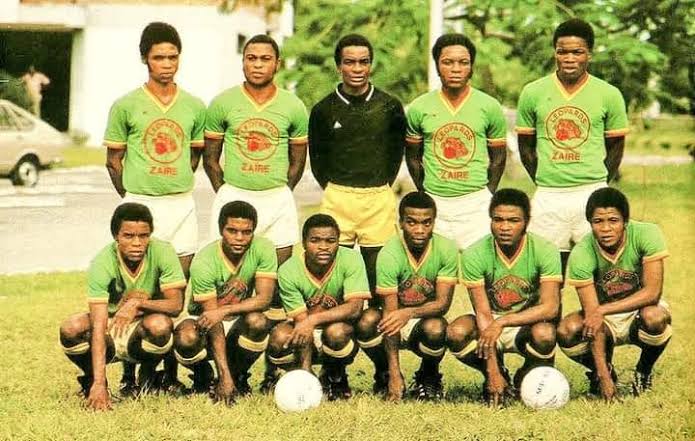
This achievement was no fluke because Zaire, at the time, was a genuine continental powerhouse, having conquered Africa by winning the Africa Cup of Nations earlier that year.
At the helm of the country was Mobutu Sese Seko, a ruthless dictator who ruled with absolute authority, and for him, football was the ultimate tool for nationalist propaganda.
He funded the team lavishly, recalled top players who were based in Belgium, and promised them immense wealth. When they secured World Cup qualification, Mobutu flew the squad to his luxury palace, treating them like royalty.
Every player was gifted a new house and a green Volkswagen Beetle.
The Leopards arrived in West Germany surrounded by a massive delegation of government ministers, military handlers, and immense pressure. Although Mobutu stayed behind, his shadow loomed large over the training camps.
Betrayal in West GermanyThe tournament began with promise. In their first outing, Zaire faced a tough Scotland side in Dortmund, and despite a tense atmosphere, the African champions put up a respectable fight, losing 2–0.
The performance earned them praise for their athleticism and organization. However, behind the scenes, everything collapsed because to them, the result was unexpected.
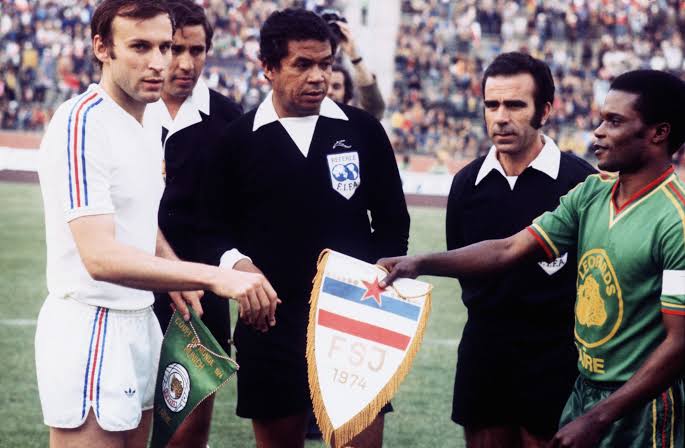
Before their second match against Yugoslavia, the squad discovered that the lucrative World Cup bonuses promised by FIFA, amounting to hundreds of thousands of dollars, had been pocketed by the Zairian sports minister and government officials.
The players, watching their peers from other nations buy gifts for their families, realized they would not see a single penny of their hard-earned money.
Devastated and furious, the team staged a strike. They initially refused to take the pitch against Yugoslavia, but half an hour before kickoff, a frantic meeting was called.
Mobutu was on the telephone from Kinshasa, speaking directly to team captain Mantantu Kidumu. The dictator’s tone was clear: a strike on the world stage was an international humiliation, and he would not accept that from the team.
Under immense psychological pressure and fearing for the safety of their families back home, the broken squad took the field.
The 9–0 Disaster and the Ultimatum
With their morale completely shattered, the Leopards crumbled on June 18 at the Parkstadion. Yugoslavia tore through the unmotivated and distracted Zairian defense, scoring six goals in the first half alone.
In an act of desperation, Leopard’s coach Blagoje Vidinic substituted goalkeeper Mwamba Kazadi after just 21 minutes, but the bleeding did not stop.
To complicate matters, star forward Mulamba Ndaye was wrongfully sent off by the referee for a foul actually committed by defender Mwepu Ilunga.
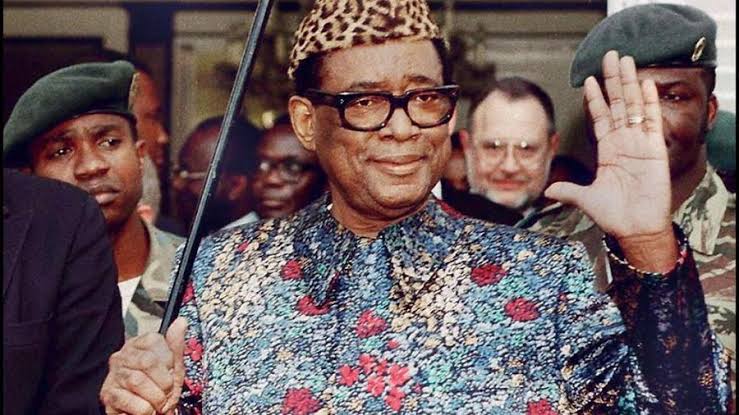
The match ended in an embarrassing 9–0 defeat, tying the record for the heaviest loss in World Cup history. Back in Kinshasa, President Mobutu was enraged because the international prestige he had carefully manufactured was gone, replaced by global mockery.
The day after the Yugoslavia disaster, Mobutu’s elite presidential guards descended upon the team’s hotel, cut off all access to foreign journalists, and isolated the squad before delivering a stark ultimatum directly from the dictator:
“If you lose to Brazil by four goals or more, none of you will be allowed to return home to your families alive.”
The true story behind the Zaire 1974 free-kick incident
Playing for Survival Against Brazil
On June 22, 1974, Zaire walked onto the pitch to face the reigning world champions, Brazil. For the South Americans, the match was a must-win, but they also needed a victory by at least three goals to guarantee their progression to the next round.
For Zaire, the math was much more sinister: concede a fourth goal, and face execution, but despite all of Brazil’s dominance, they were on for an agonizing exercise in survival.
The players threw their bodies in front of every ball, gave their all in every duel and tackle, motivated by pure terror. At halftime, their plan had worked because Brazil led by only 1–0 through a goal from Jairzinho.
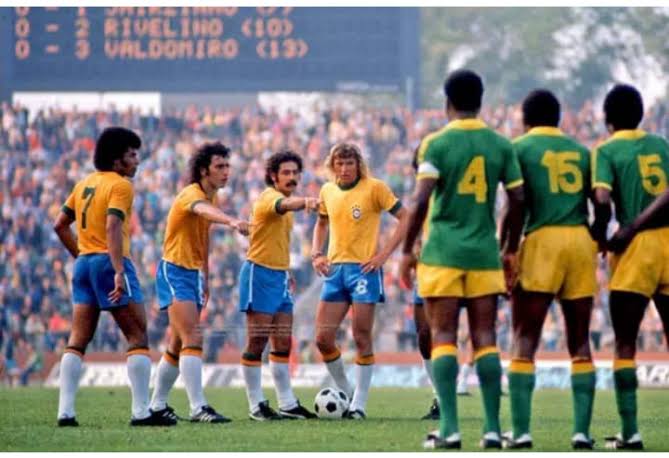
In the second half, they were already exhausted, and Brazil turned up the pressure. Rivelino smashed home a brilliant second goal in the 66th minute before a 79th-minute error by goalkeeper Kazadi allowed Valdomiro to make it 3–0.
Panic swept through the Zairian side. They were now precisely one goal away from disaster, with eleven minutes left on the clock.
The Historic Mwepu Ilunga Clearance
The true story behind the Zaire 1974 free-kick incident
Moments after scoring a third, Brazil won a dangerous free-kick just outside the Zairian penalty box, and Rivelino, one of the most lethal dead-ball specialists, stood over the ball alongside Jairzinho.
The Brazilian wall was adjusting, and the tension inside the stadium was palpable. It was at this exact moment that defender Mwepu Ilunga cracked under the immense psychological weight of the ultimatum.
Knowing Rivelino’s capability from that distance, Ilunga decided he could not risk the free-kick being taken, and before the referee blew his whistle, he broke ranks, sprinted out of the defensive wall, and booted the ball as hard as he could down the field.
The stadium erupted into confusion. The referee quickly marched over and brandished a yellow card, while commentators chuckled at what they assumed was a lack of basic football education.
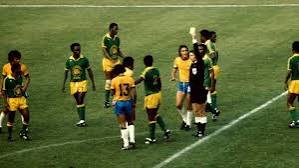
However, in reality, Ilunga was attempting to do two things: waste valuable seconds to disrupt Brazil’s momentum, and deliberately get himself sent off.
In later interviews, Ilunga revealed his mindset: he wanted to be ejected from the match as a silent protest against the regime, preferring to watch the terrifying final minutes from the safety of the dressing room.
The referee, however, was lenient and kept him on the pitch. The disruption worked. Brazil’s focus was broken, the free-kick came to nothing, and the Leopards successfully defended the 3–0 scoreline until the final whistle.
The true story behind the Zaire 1974 free-kick incident
The Bitter Aftermath
The final whistle brought an overwhelming sense of relief. Even though they had lost the match, the players had saved their lives and were permitted to return to Zaire, but they were treated as outcasts.
Mobutu, deeply embarrassed by the tournament, instantly cut off all funding for football, pivoting instead to host the famous Rumble in the Jungle boxing match between Muhammad Ali and George Foreman later that year.
The golden generation of Zairian football was completely abandoned, and many of the players who had made history slid into deep poverty.Goalkeeper Kazadi died penniless in 1996.
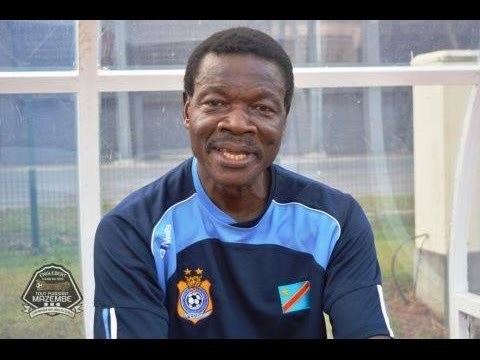
Mwepu Ilunga lived out his days in a modest home, holding onto the same green Volkswagen Beetle Mobutu had given him in happier times, before passing away in 2015.
The true story behind the Zaire 1974 free-kick incident remains an unforgettable World Cup moment, but it stands as a testament to survival, illustrating the lengths to which athletes will go when the game ceases to be about points and becomes entirely about staying alive.
52 years later, Zaire returns to the FIFA World Cup as DR Congo, and faces Portugal in their opening game of the 23rd edition of the global showpiece.




Wow. What a story
Damm