Why Cristiano Ronaldo and US Investors are turning attention to Saudi Football clubs

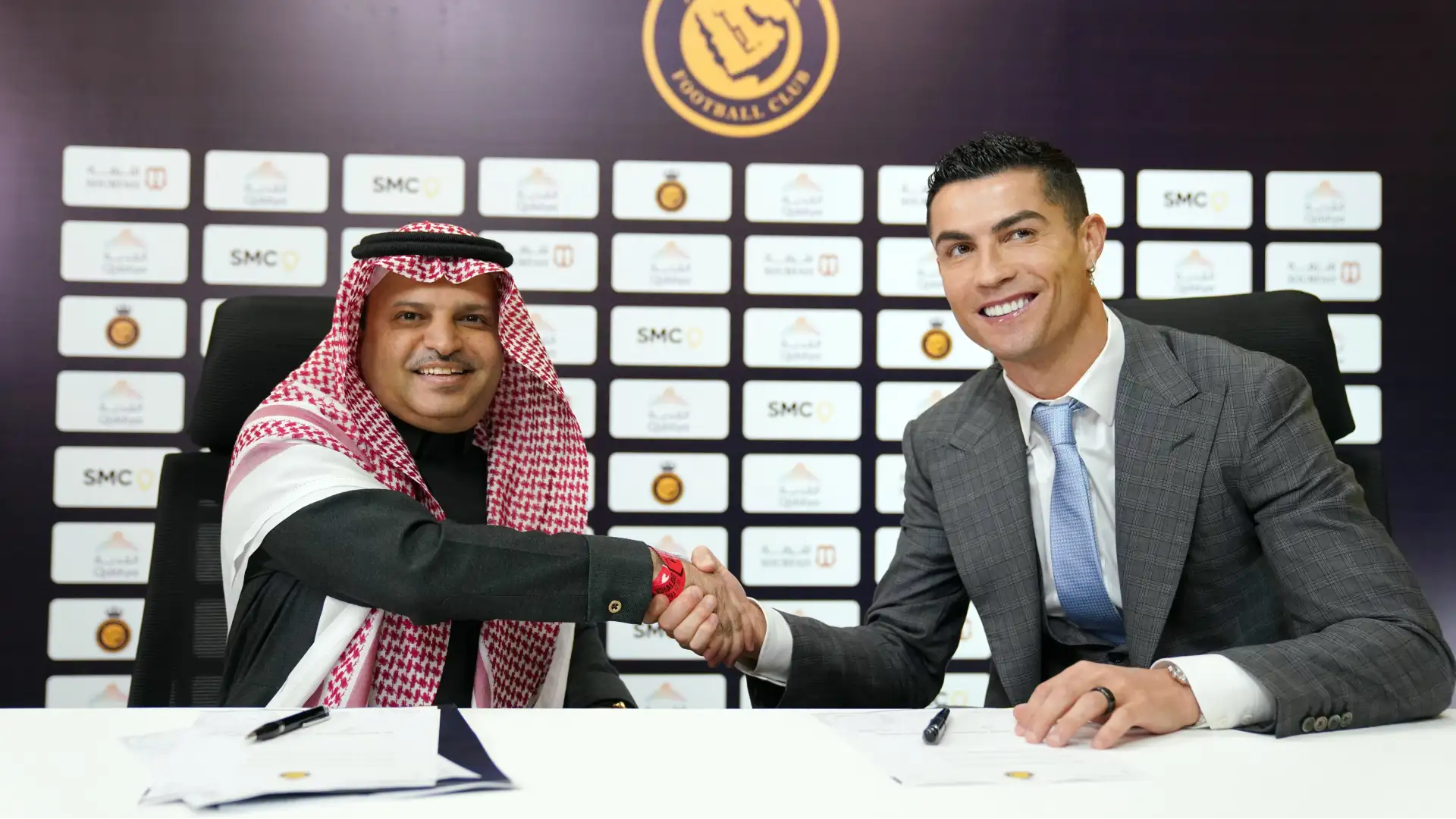
As state-backed spending moderates across the Middle East, international private equity firms and marquee football figures are increasingly eyeing affordable entry points into the Saudi Pro League.
The landscape of football investment in the Middle East is undergoing a subtle yet profound transformation.
For several years, the blueprint for modernizing domestic leagues relied almost entirely on heavy sovereign backing. However, recent movements indicate a strategic pivot.
Institutional investment groups from abroad are beginning to recognize an opening, stepping in to acquire major stakes while sovereign funds refine their long-term developmental targets.
This evolution opens the door for sophisticated financial players to integrate themselves directly into the region’s burgeoning sports economy.
Rather than treating clubs merely as marquee projects, incoming stakeholders are applying traditional corporate asset strategies—focusing on revenue optimization, international merchandising, and sustainable commercial scaling.
Valuation advantages over European markets
A primary catalyst drawing external capital to the kingdom lies in fundamental economics.
Acquiring majority positions in legacy clubs across England, Spain, or Italy has become an extraordinarily capital-intensive endeavor, with valuations frequently soaring well past five times annual revenue figures.
In contrast, clubs within the Saudi top-flight present a markedly different financial proposition. Transactions in the region have historically traded at significantly lower revenue multipliers.
For forward-thinking funds and entrepreneurial athletes alike, this discrepancy represents a compelling arbitrage opportunity.
By purchasing stakes at a fraction of elite European valuations, investors position themselves to capture substantial equity upside as global interest, broadcasting rights, and fan engagement metrics continue to compound over the coming decade.
Balancing risk and long-term growth
Of course, capitalizing on this emerging market is not without its variables. The transition from state-led financial injection to self-sustaining private governance requires meticulous planning.
While overarching infrastructure initiatives, such as stadium developments and international tournament preparations, remain heavily supported at the national level, day-to-speed operational expenses are increasingly shifting to private shoulders.
Ultimately, the convergence of international financial power and iconic football personalities signals a new chapter for the sport.
Whether these private ventures can successfully replicate sustainable business models while maintaining competitive excellence will determine the long-term trajectory of the region’s football ecosystem.