15 coaches sacked in Europe’s top five leagues this season and their replacements

It is just three months into the season in top European leagues and 15 coaches have already been shown the exit doors by clubs, who felt their ambitions threatened and needed a change in the dugout.
From the Premier League, where Manchester United players will return from the November international break to a new coach after Michael Carrick was shown the exit door to the Serie A, where no less than six coaches have already been fired, managerial movements looks more like the order of the day.
A few disappointing results, dressing-room problems, tactical shortcomings or disagreements with club executives have quickly change the direction of the careers of the managers involved, and such is the unpredictability of the game.
Here is a closer look at what happened to each manager, how long they lasted and the coaches appointed to replace them.
Premier League
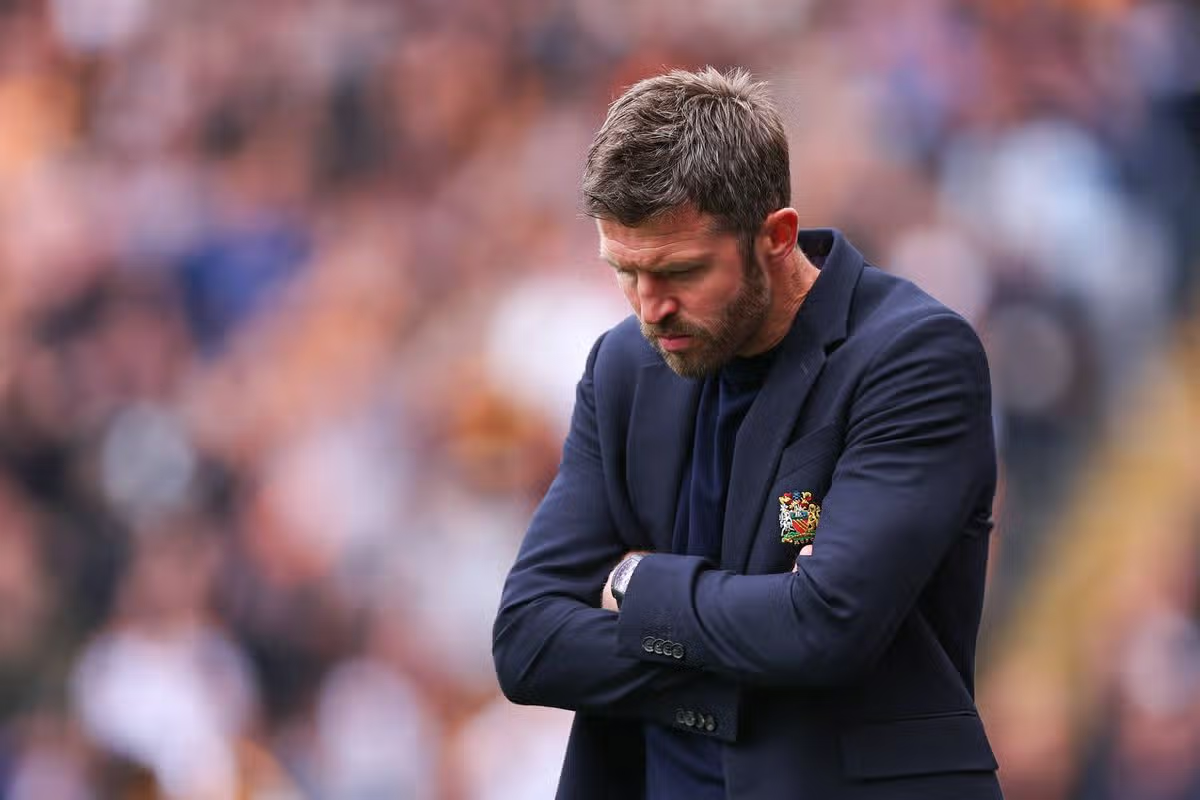
Michael Carrick – Manchester United
Michael Carrick’s return to Manchester United initially appeared to be a promising appointment. After taking over in January 2026, he impressed sufficiently to earn the permanent position in May. However, the optimism quickly disappeared as United suffered a dramatic decline in form, eventually dropping to 18th in the Premier League.
His dismissal on November 12 brought an end to an increasingly difficult second spell at Old Trafford, which finished with just one win in ten Premier League games this season. Mauricio Pochettino has been appointed as his successor, with the responsibility of restoring United’s standing.
Pierre Sage – Crystal Palace
Pierre Sage’s time at Crystal Palace ended after a disappointing opening to the campaign. The Frenchman struggled to deliver consistent performances, and a series of defeats increased pressure on the club’s hierarchy to make a change.
His departure came after just a few months in charge having moved to London in the summer following a productive spell with RC Lens in the Ligue 1. Thomas Frank has been given a route back to management in the English top-flight as a result.
La Liga
Carlos Corberán – Valencia
Carlos Corberán’s departure from Valencia followed a difficult start to the season, with the club struggling to find consistency in the opening fixtures. The club failed win any of their opening five games, losing four straight before his departure.
Although Corberan had been previously been trusted to oversee the team’s development, his inability to produce the required results eventually cost him his position. Valencia turned to Javier Aguirre, hoping the experienced coach could provide the necessary improvement.
Luis Miguel Ramis – Osasuna
Ramis was another casualty of an underwhelming start to the campaign. Osasuna’s disappointing results and inability to build momentum left the club increasingly concerned about its direction.
The hierarchy eventually decided that a managerial change was necessary, bringing back their former handler Jagoba Arrasate to take charge after more than two years since he left the club for Mallorca.
Manolo González – Espanyol
Manolo González’s departure was particularly painful because of the circumstances surrounding it. Espanyol’s Copa del Rey elimination against fourth-division side Sestao proved a major embarrassment, with the defeat intensifying scrutiny of his management.
Gonzalez had a really good spell at Espanyol, and almost guide them to Europe last season. The club eventually decided to move on and appointed Eder Sarabia, who kicked off his reign with a goalless draw at home to Deportivo La Coruna.
Serie A
Fabio Grosso – Fiorentina
Fabio Grosso’s managerial spell at Fiorentina was remarkably short. The former Italy international, appointed in June, was dismissed in early September after the club lost its opening three Serie A fixtures, leaving the hierarchy concerned about the direction of the campaign.
Fiorentina wasted little time in making a change, appointing Paolo Vanoli to take over and winning his first game. Fiorentina now sits 16th on the log, winning nine points from eight games under their new coach.
Domenico Tedesco – Bologna
Domenico Tedesco also struggled to make an immediate impact at Bologna. A disappointing opening sequence, which included three defeats in the first four league matches, raised questions about his ability to deliver the club’s ambitions. The club eventually opted for Raffaele Palladino in September, hoping a change in leadership would improve results.
Carlos Cuesta – Parma
Former Arsenal coach Carlos Cuesta’s departure came after a difficult spell at Parma, where the team struggled to establish consistency even though he was able to make them one of the most exciting teams to watch.
Although he had been brought in with expectations of building a competitive side, an underwhelming start and concerns surrounding the sporting direction contributed to the decision to part ways. Alberto Gilardino was appointed to replace him.
Giovanni Stroppa – Venezia
Venezia’s decision to dismiss Stroppa followed a disastrous sequence of six consecutive Serie A defeats. The team’s inability to arrest its decline left the club in an increasingly uncomfortable position, forcing the hierarchy to intervene.
With just two wins and nine defeats in their opening 11 Serie A games, Davide Nicola was subsequently appointed, and he snapped the poor run with a massive win over Napoli, before losing three straight games but returned to winning ways before the international break.
Kosta Runjaic – Udinese
Kosta Runjaic initially appeared to have Udinese moving in the right direction, but the team’s form deteriorated dramatically. A damaging run of defeats, including a 5-2 loss against Roma, eventually undermined confidence in his leadership. Despite his earlier contributions, the club decided to make a change and appointed Paolo Zanetti.
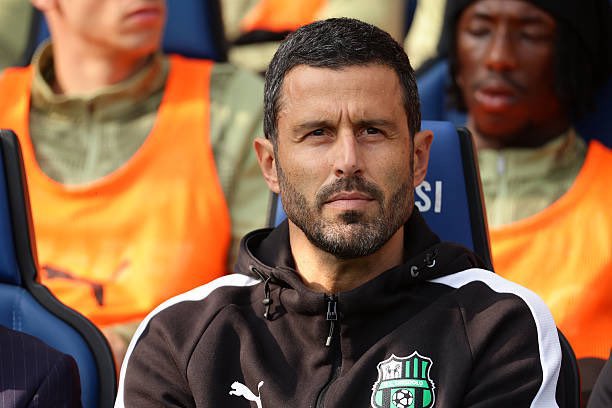
Alberto Aquilani – Sassuolo
Former Liverpool midfielder Alberto Aquilani’s time as Sassuolo coach ended after the club endured a prolonged spell, which included five consecutive defeats leading to his sacking during the international break.
The poor run left the team struggling to meet expectations, with the hierarchy deciding that a fresh approach was needed. Roberto D’Aversa was brought in to replace him and attempt to turn the campaign around.
Bundesliga
Eugen Polanski – Borussia Mönchengladbach
Polanski’s position became increasingly difficult following Gladbach’s poor start to the season. The team’s struggles were highlighted by a humiliating 5-0 defeat against Freiburg, which intensified pressure on the coaching staff. The club eventually decided to end his tenure, with Alexander Blessin taking over after an interim spell under Jan-Moritz Lichte.
Ligue 1
Didier Digard – Le Havre
Didier Digard’s departure followed a disappointing run of performances that left Le Havre struggling to compete. A heavy defeat against champions Paris Saint-Germain further exposed the team’s problems, and the club eventually decided that a change was necessary. Jair Karam initially took charge on an interim basis before Valérien Ismaël was appointed.
Yannick Cahuzac – RC Lens
Replacing Pierre Sage was always going to be difficult, and Yannick Cahuzac was firsthand to realize that as his spell at Lens was relatively brief and ended amid growing concerns about the team’s performances.
A damaging run of defeats, including a humiliating 9-1 Champions League loss against Como, placed his position under serious pressure. Lens eventually turned to Didier Digard to take over, who was dismissed at Le Havre even though Sage is already available.
Hugo Oliveira – Strasbourg
Strasbourg also opted for a managerial change after deciding that Oliveira’s project was not delivering the expected results. Despite the club’s ambitions, an unsatisfactory start to the campaign led to a change in direction. Vítor Matos was appointed as his replacement, inheriting the responsibility of getting the team back on track.
Serie A leads the sackings
The numbers highlight the pressure facing managers across European football. Serie A leads the way with six departures, followed by La Liga with three. The Premier League and Ligue 1 have recorded two each, while the Bundesliga has witnessed one.
For the dismissed coaches, the 2026/27 season has already become a painful reminder of how quickly fortunes can change. Their replacements, meanwhile, face the difficult task of improving results while working with squads they did not assemble.